

A ‘misconceived, messy policy’ rife with inconsistencies – that’s how the former Chelsea, Liverpool and Aston Villa executive Christian Purslow describes the Premier League’s front-of-shirt gambling ad ban.
In April 2023, political and fan pressure saw Premier League clubs agree to a voluntary ban on front-of-shirt sponsorships, beginning with the upcoming 2026/27 season. But we are just now seeing the ban take hold and transform the commercial sports market.
Significantly, the ban does not extend to other aspects such as trainingwear and shirt sleeves, which is where Purslow highlighted the inconsistencies while speaking on The Football Boardroom podcast.
He said: “I think it isn’t exactly complicated to figure out that betting brands have therefore shown a willingness to pay more money to be on sleeves, more money to be on training kit.
“So for me, [it’s] a really misguided policy, inconsistent, with significant unintended consequences.”
Are gambling companies really paying more?
Purslow pointed to the highly-publicised announcement that Betway will adorn Manchester United’s training kit for the upcoming season, as well as Tottenham Hotspur’s similar agreement with Betano.
It is reported that Betway’s owner, Super Group, has paid £20m to link with Manchester United.
Though Purslow suggests this is more than the going rate for similar deals in other industries, the £20m figure aligns with the value of Manchester United’s previous deal with the blockchain firm Tezos.
As a result, the value of sponsorships appears to be rooted in the stature of the team rather than any other factors.
Purslow is right in the fact that the Premier League’s ‘big six’ sides have rarely touched gambling in terms of direct sponsorship on kits or training wear, which is why the Betway deal with Manchester United did raise eyebrows.
It is something of a rarity that a betting operator appears on the kit, even the training kit of a major Premier League club, though BetMGM did serve as Tottenham’s training kit sponsor for the last two years before being usurped by Betano.
However, that depends on whether you class Spurs as a major Premier League side.
While the values of the deals have not appeared to change, this could be indicative of a new normal, though, as the avenues to global exposure are shrunk with the shutting down of the front of shirt.
“Manchester United, with huge audiences domestically and globally, now has gambling on its training kit because the training kit has been made so valuable, and betting brands unable to get on the front-of-shirt have been attracted to Manchester United’s training kit as an alternative. The visibility of that is much greater than what’s been lost on the front-of-shirt,” added Purslow.

Though this is the case, it should be noted that all of the ‘big six’ have had strong links to the industry through various styles of partnerships.
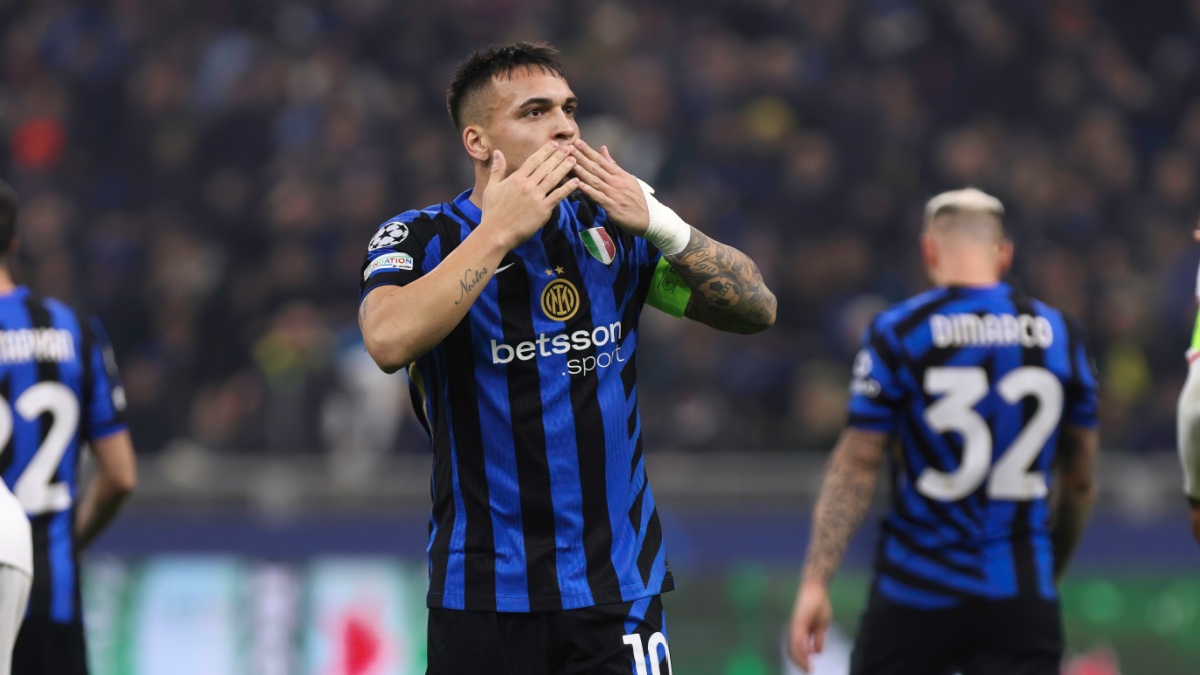
Super Group’s chief executive officer, Neal Menashe, noted following the agreement with Manchester United that Betway is now the exclusive global betting partner of the Red Devils, Arsenal and Manchester City – the top three finishers in last year’s Premier League season.
Betway also serves as Chelsea’s European betting partner, and Liverpool announced a multi-year partnership with Ladbrokes in 2024 to become the club’s official betting partner in the UK and Ireland.
EFL spared and inconsistencies rife
It is hard to deny Purslow’s point around inconsistencies being baked into the ban.
As co-host Henry Winter pointed out, betting sponsors are not banned across the English Football League, meaning the 72 clubs that make up the second, third and fourth tiers of English football are free to carry gambling brands on the front of their shirts.
Several Premier League clubs, including Aston Villa and Everton, have transitioned their front-of-shirt gambling sponsor to their shirt sleeves for the new season.
Given the precarious nature of the financials of many teams across the EFL, Purslow said a “compromise” was made to spare clubs from the same restrictions, however, this has now ended up in a “messy situation”.
For example, seven of the EFL Championship’s 24 clubs will display a gambling sponsor when the new season kicks off next week.
Though in most instances, the calibre of sponsor in terms of gambling in the Championship remains below the Premier League and tends to be far more focused on the UK market.
Coral’s partnership with Birmingham City and bet365’s long-term backing of Stoke City are perhaps the most high-profile.
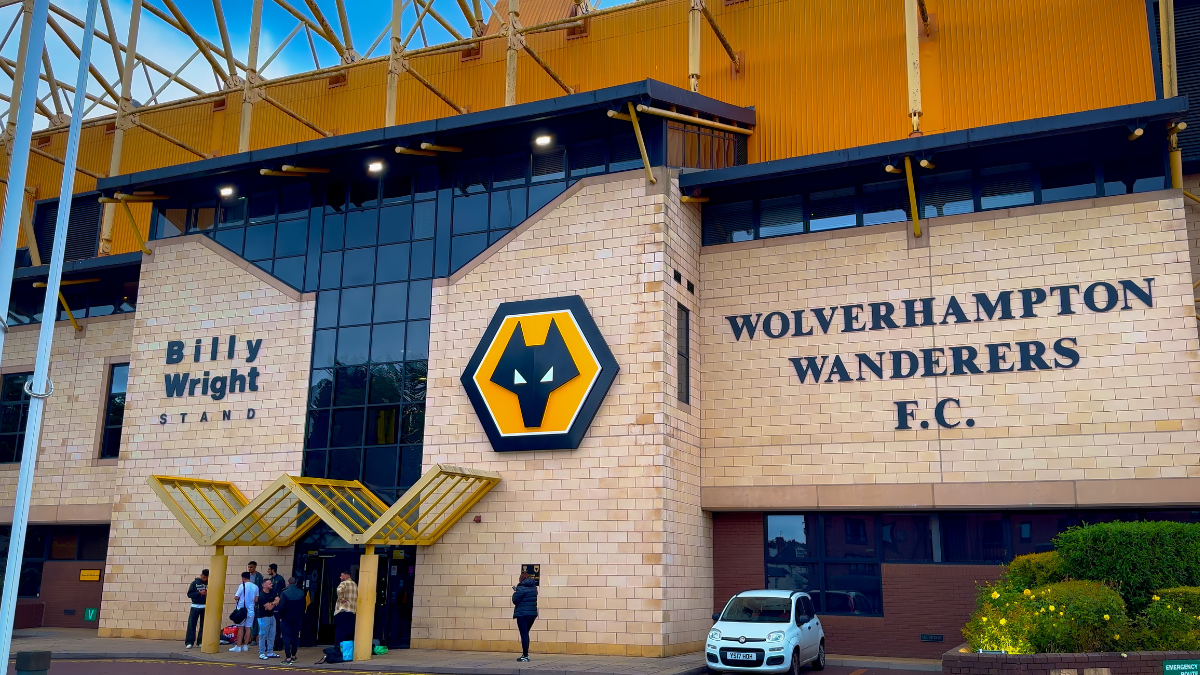
Meanwhile, UK challenger Midnite sponsors Middlesbrough, Sheffield United and Wolverhampton Wanderers, Queens Park Rangers has linked up with MrQ and West Ham United maintained their partnership with BoyleSports after being relegated from the Premier League last season.
Furthermore, when English teams play in Europe, they will play in competitions that are sponsored by betting companies and will likely host teams sponsored by a gambling company, furthering the visibility of the sector during big European occasions.
Reflecting on this state of play, Purslow concluded: “The compromises on other assets within the Premier League, and ultimately deciding that it would be so damaging to the finances of EFL clubs if they removed their ability to advertise on their shirt seems to have ended up with this really messy situation where I can’t see a consistent political conviction.”
This story was first published on Affiliate Leaders’ sister title, iGaming Expert.