


The agreement gives TikTok a central role in the digital distribution of World Cup content at a time when the platform’s long-term access to the US market remains unresolved.
TikTok has been named FIFA’s first-ever Preferred Platform for the World Cup 2026, a new designation which gives the short-form video platform a deeper role in the tournament’s digital ecosystem than any social network has previously held.
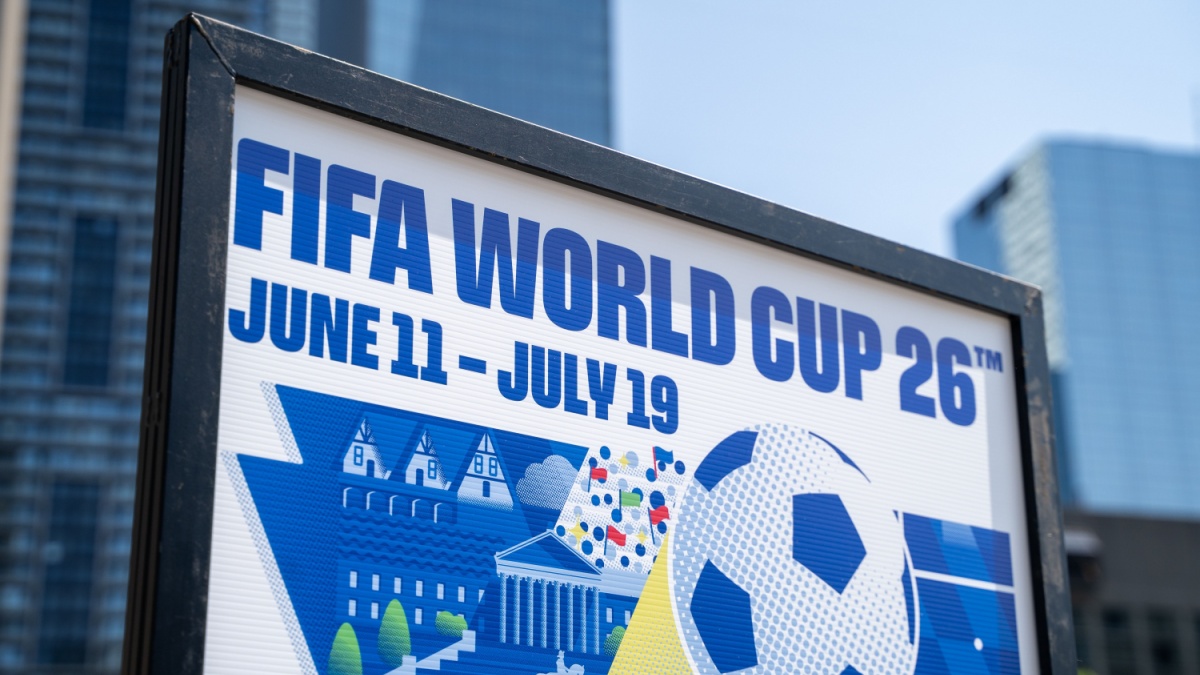
The agreement, announced on 8 January, runs until the end of 2026 and centres on a dedicated in-app World Cup hub, expanded access to official FIFA content, a structured global creator programme, and new opportunities for FIFA’s official media partners to distribute and monetise curated clips and selected live streams on TikTok.
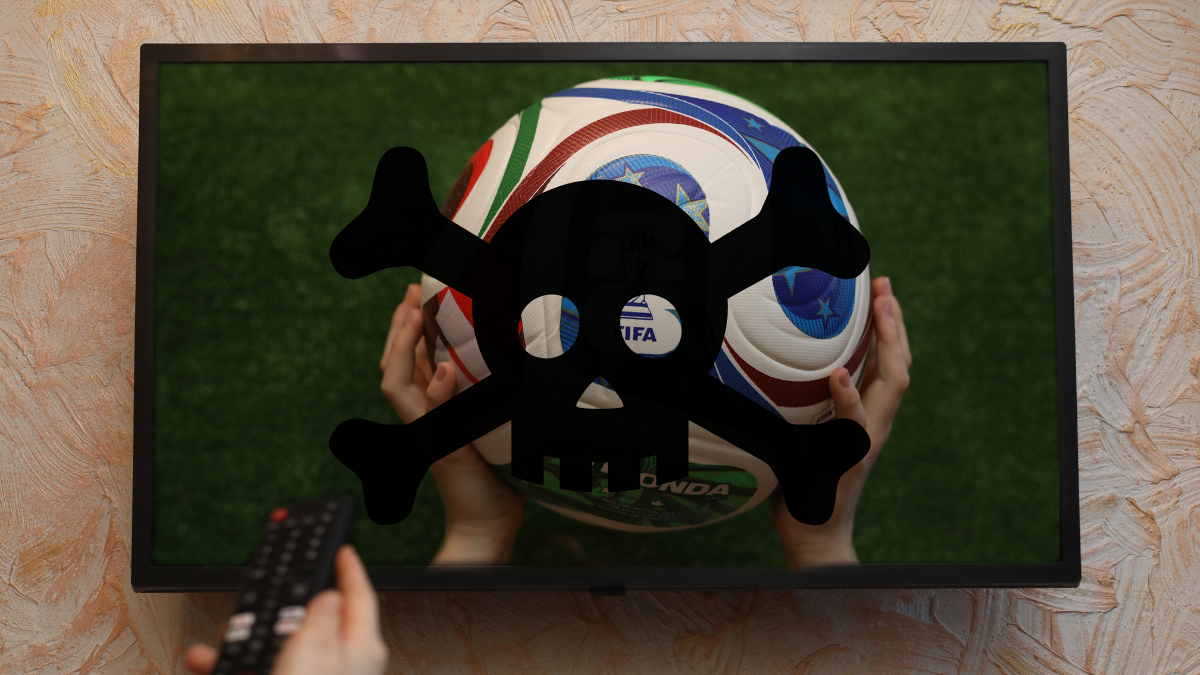
FIFA has also said TikTok will implement enhanced anti-piracy measures to protect tournament rights.
“FIFA’s goal is to share the exhilaration of the FIFA World Cup 2026 with as many fans as possible, and we can’t think of a better way to further that mission during the biggest event in sports history than to have TikTok as the tournament’s first Preferred Platform,” said FIFA secretary general Mattias Grafström.
However, the announcement lands amid continued uncertainty over TikTok’s long-term status in the US, one of the three host markets for the 2026 tournament and by far its most commercially significant.
Under the Protecting Americans from Foreign Adversary Controlled Applications Act, TikTok faces the prospect of a forced divestment of its US operations or a potential ban if US authorities determine that Chinese ownership through ByteDance continues to pose national security risks.
While enforcement deadlines have been delayed and restructuring plans are ongoing, the outcome remains unresolved. This uncertainty matters for FIFA.
The US will host the majority of matches at the expanded 48-team World Cup and represents the largest advertising, sponsorship and broadcast revenue pool. Any disruption to TikTok’s availability or functionality in the US would directly affect the reach and commercial value of a partnership that is explicitly designed to convert social engagement into live match viewership and advertising returns.
A calculated bet by both sides
From TikTok’s perspective, the deal reinforces its position as a central player in global sports media at a moment when it is seeking to demonstrate stability, compliance and long-term viability in the US market. Being embedded in the world’s largest sporting event, hosted largely on US soil, raises the stakes for regulators weighing any future enforcement action.
For FIFA, the agreement appears to be structured to limit downside risk. TikTok is not being granted full match rights, and the involvement of official media partners remains central. In theory, that allows FIFA to benefit from TikTok’s scale and creator economy while retaining flexibility should regulatory outcomes force changes to how the platform operates in the US.
If TikTok were ultimately banned in the US or forced into a significant operational overhaul, the partnership would likely need to adapt quickly. Scenarios could include:
- Reduced functionality or reach within the US market
- A heavier emphasis on international audiences
- Greater reliance on FIFA’s broadcasters to distribute content originated for TikTok
Such outcomes would not invalidate the agreement entirely, but they would blunt its effectiveness in the tournament’s most valuable market.
A signal of where sports media is heading
Beyond the immediate political risk, the deal highlights a broader shift in how rights holders think about platforms. FIFA is effectively acknowledging that control of attention and cultural relevance now sits alongside control of broadcast rights.
“Football has experienced explosive global growth on TikTok over the past few years, and as FIFA’s first-ever Preferred Platform we’re excited for fans to experience the FIFA World Cup 2026 beyond the 90 minutes, with exclusive content and unprecedented creator access,” said James Stafford, Global Head of Content, TikTok.
“TikTok GamePlan turns fandom into measurable business results for our sports partners, with fans being 42% more likely to tune in to live matches after watching sports content on TikTok. We’re reaching the next generation of football fans – particularly younger and female audiences – and converting that passion into real tune-in and engagement at unprecedented scale.”
Whether that strategy pays off in full may depend less on engagement metrics and more on how the unresolved US regulatory question around TikTok ultimately plays out.
For now, the partnership stands as both an ambitious media play and a calculated gamble on TikTok’s future in one of the World Cup’s most important markets.
This story was first published on Affiliate Leaders’ sister title, Insider Sport.