


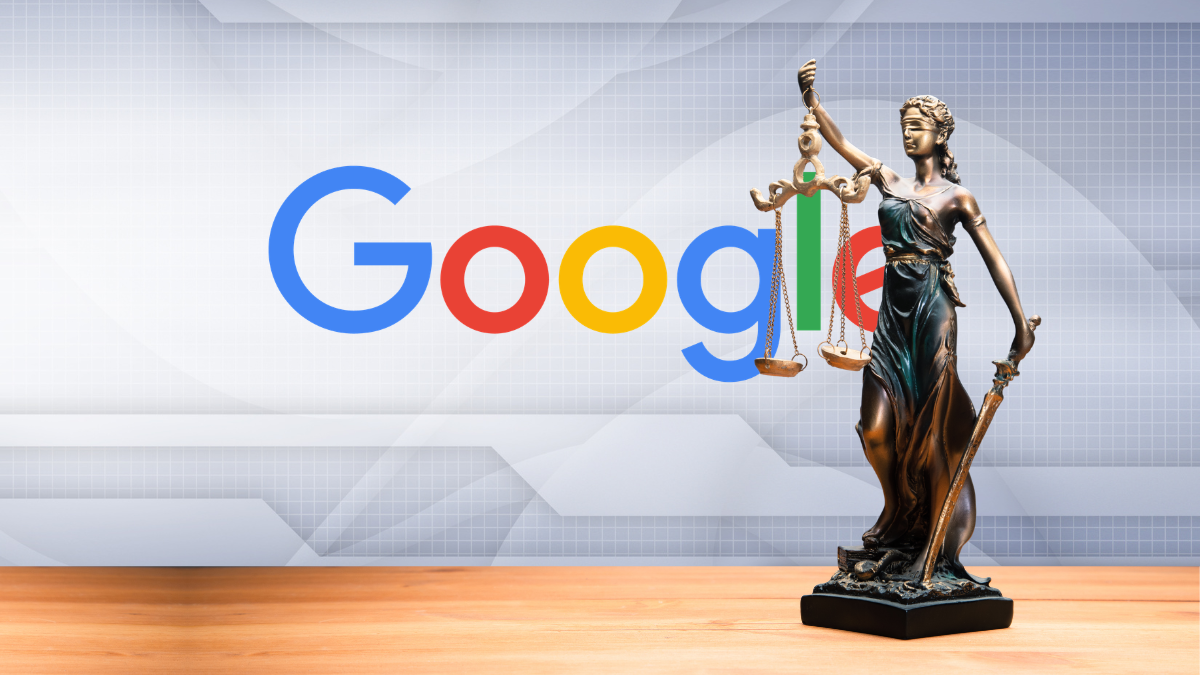
A German court has made a preliminary ruling after two publishers were incorrectly linked to scams by Google’s AI summaries.
Google is directly liable for any false statements its AI Overviews makes, a German court has ruled.
The ruling means previous case law, which protected search engine companies from liability, does not apply here.
Google was taken to court after two publishers were incorrectly linked to scams by the tech giant’s AI summaries.
The Munich-based publishers asked Google to correct the inaccuracies and even issued a cease and desist letter, but the company refused.
In a preliminary ruling, the Regional Court of Munich has classified Google as directly liable because only the company can adjust what the summaries say and therefore is responsible for any inaccuracies.
The court has hit the tech giant with a temporary injunction, which bars it from spreading any more false allegations about the publishers.
In its ruling, the court argued Google’s AI Overviews do not work like traditional search – the AI rewrites and judges results “in its own words and according to its own structure”.
The court also found that AI Overviews made claims which were not even in the search results, and none of the linked sources validated a connection between the publisher and the scams the AI mentioned.
In addition, the Munich court examined a former ruling by Germany’s Federal Court of Justice, which had shielded traditional search engines from liable claims, because they merely made third-party content findable.
It said this reasoning does not apply to AI Overviews as it generates “independent, new and substantive statements” and only Google can check those.
Google argued that users should check the linked sources themselves to confirm whether the AI summary was correct, adding that the majority know that information generated by an AI chatbot should not be blindly trusted.
The court rejected this argument saying that further research does not make the tech giant “exempt from liability”.
It went a step further adding AI search should have the same protections as free speech and nor is it necessary for standard search functions, therefore Google can control and turn this feature off.
A Google spokesperson told The Decoder: “We invest deeply in the quality of AI Overviews to ensure that the overwhelming majority of responses provide accurate information, and they are designed to reflect the information that exists on the web. We’re carefully reviewing this decision, which is not yet final.”
This ruling could have a significant impact on Google’s plans for AI search. The company recently announced a wave of new updates for search at its I/O conference last month.
It could also set a precedent for AI search chatbots, such as OpenAI’s ChatGPT, Anthropic’s Claude and Perplexity.