


Global affiliate marketing has reached $20bn in 2026, yet just 7% of marketing managers rank the channel as a key revenue driver.
The global affiliate marketing industry reached $20bn in 2026, with the US accounting for more than half of spend at $13.2bn – almost double the $6.8bn spent in 2019.
According to Forrester research, affiliate marketing contributed to around 16% of all US e-commerce sales, yet only 7% of marketing managers rank the channel as a top budget priority.
Research from 5W showed affiliate marketing is one of the avenues with the highest return on investment (ROI) – with an average of $12 to $15 for every $1 spent. The compound annual growth rate is 15.2%, and is expected to reach $71.74bn by 2034.
By the end of 2026, around 90% of e-commerce businesses are expected to run on some sort of affiliate programme.
Combining influencer and affiliate marketing can drive sales up by 46% compared to when running campaigns in silo. While influencer-driven affiliate conversions are up 37% year-on-year (YoY).
Of the 2,368 North American brands analysed, 5W found affiliate click volume has risen by 2% YoY, however, both conversions and conversion rate decreased by 5% and 6%, respectively.
This represents a shift in buyer behaviour. Shoppers are reportedly using affiliate content earlier to research and compare, and using other channels to convert later. This means the typical last-click attribution models are undercounting the contribution from high-quality content partners while over counting coupon and cashback affiliates, which capture demand already decided.
Tech and gaming sees highest wins
5W aggregated data from Awin, Impact, CJ Affiliate and Rakuten Advertising to evaluate performance across different verticals.
Notably, 50% of consumer product affiliate revenue comes from new customers, identifying that programmes are structured to reward new-customer acquisition.
Tech and gaming overall had the highest commission rate average, with both favouring reviews and content as a key partner type priority. Electronic or consumer tech had the lowest rate and was found to be deal sensitive.
The analysis also showed that by integrating PR and affiliate could also help brands boost returns.
Matt Caiola, chief executive of 5W, said: “The brands that treat affiliate as a performance channel and nothing more will build programs dominated by coupon sites, cashback platforms, and low-authority traffic. They will pay commissions on purchases that were going to happen anyway.”
“The brands that understand affiliate as a relationship channel will build programs anchored by trusted editorial publishers, high-authority creators, and media properties whose audiences have been cultivated over years. The difference is not technology. It is relationships.”
The study also highlighted affiliate fraud as a growing trend, which is costing brands over $3.5bn a year – primarily through click fraud, cookie stuffing, and fake lead generation.
Around 18% of affiliate traffic is now tagged as invalid or fraudulent. That primarily because “as programs scale, fraud management becomes a critical function most in-house teams are not equipped to handle”, the research stated.
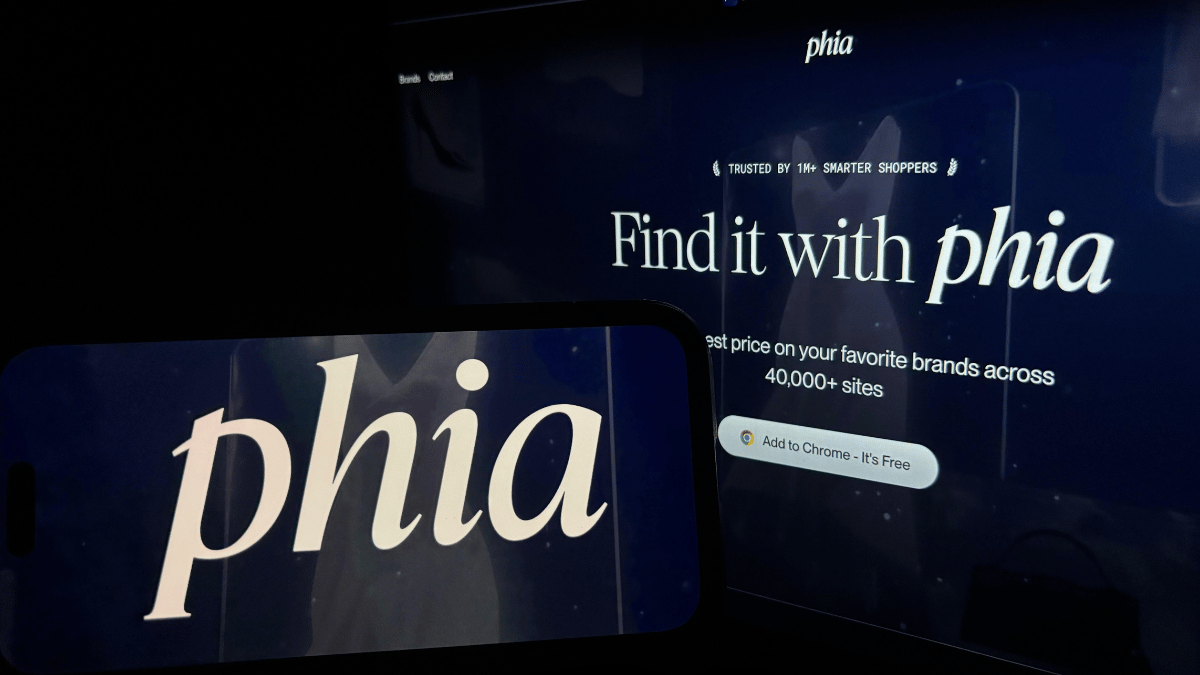
One case that recently hit the news involved Bill Gates’ daughter, Phoebe Gates. Her browser extension, known as Phia, has been accused of affiliate hijacking and taking credit for sales it didn’t generate.