


Following a ground-breaking social media trial, Meta is calling on its peers to follow suit in implementing safety measures.
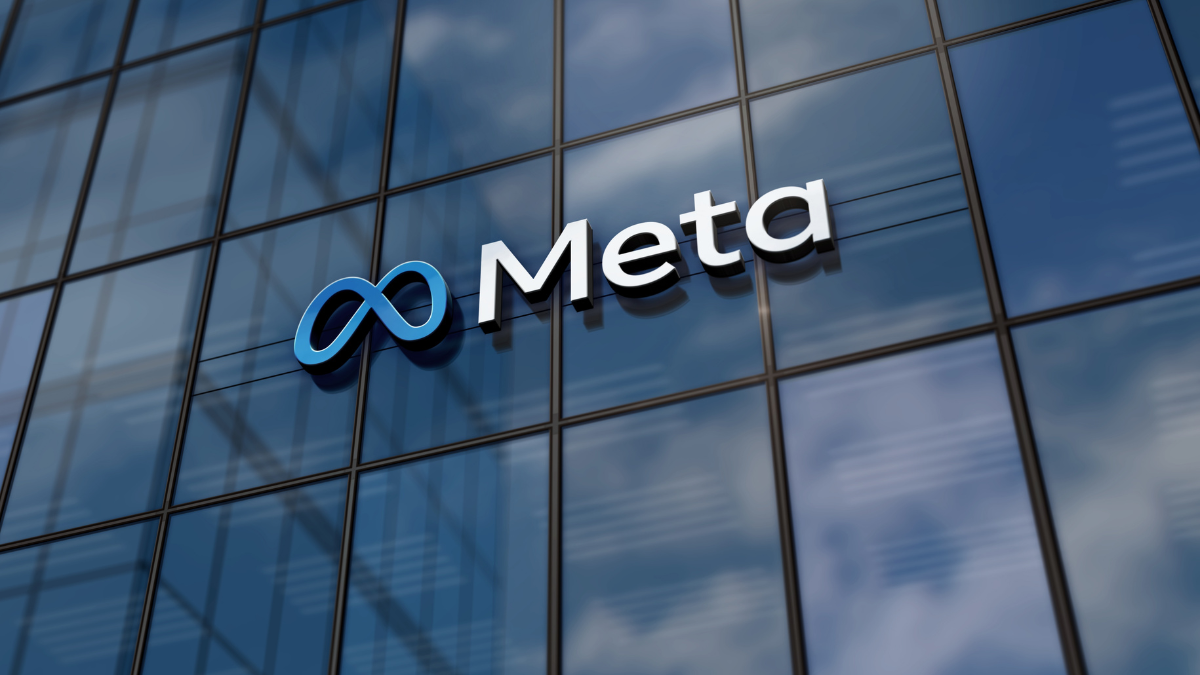
Facebook owner, Meta, has written an open letter to social media sites TikTok and YouTube, urging them to implement safety measures to protect children and teens on the platforms.
This follows a breakthrough trial in which a coalition of US states brought legal action against the tech giant, accusing Meta of causing harm to children through its apps, Facebook and Instagram, which they claim were designed to be addictive – damaging the mental health of teenage users.
Subsequently, Meta reached an agreement with the states to pay a settlement of $16.7bn – plus a further $1bn in a separate payment to Texas as it was not part of the group and more that $459m for other claims. The firm must also introduce a number of safety measures.
The settlement will see the tech giant pay out approximately $18bn, which will likely be used to fund youth online safety initiatives. This will be paid over a 10-year period, with participating states receiving roughly 70% (around $12.7bn).
The remaining 30% (around $5.3bn) will be released once two conditions are met: TikTok and YouTube implement a daily limit, night mode, and age assurance measures, and the two platforms also each pay “an amount matching the 30% figure, with half of the remaining funds tied to YouTube’s payment and half tied to TikTok’s”.
This looks to encourage industry-wide change and push for a consistent standard.
Industry-wide adoption will strengthen provisions
Meta is also calling on TikTok and YouTube to follow suit and introduce the same safety controls, including:
- A two-hour daily time limit
- Turning off access to apps at night as a default
- No notifications during school hours
- Clear prompts and notifications to teens every 15 minutes of continuous screen time
- New parental supervision controls, so parents can decide how their teens use our apps
Direct messaging services are excluded from these measures in order to “allow teens to stay connected with friends and family”.
Meta, in addition to the above measures, has also agreed to implement regular prompts during continuous screen time, algorithmic feed control (allowing teens to chose a non-personalised recommendation system), autoplay control, hidden likes, disabling cosmetic surgery and extreme make-up filters, and more.
Ostensibly, Meta is calling on these platforms to ensure a consistent industry standard.
If TikTok and YouTube follow suit, it would put the social media sites on equal footing, and from Meta’s perspective, could help avoid a mass exodus of teens looking to circumvent the new protections.
The open letter stated: “We want to ensure teens benefit from this new industry standard, but we cannot do it alone. These protections will only be truly effective if we work with our peers — TikTok and YouTube — to put the same measures in place.”
Both TikTok and YouTube have faced (and are facing) similar trials for user protection, with more cases reportedly in the pipeline.
“All platforms should empower parents and support teens in these ways because we know that when teens are restricted on one app, they simply move to another. For meaningful progress to happen, we urge our peers to join us,” the letter continued.
Under the settlement agreement, an independent social media research foundation will also be established with which Meta is to share consented user data.
An independent auditor will test and report to the states on Meta’s compliance with the agreement each year for five years.