


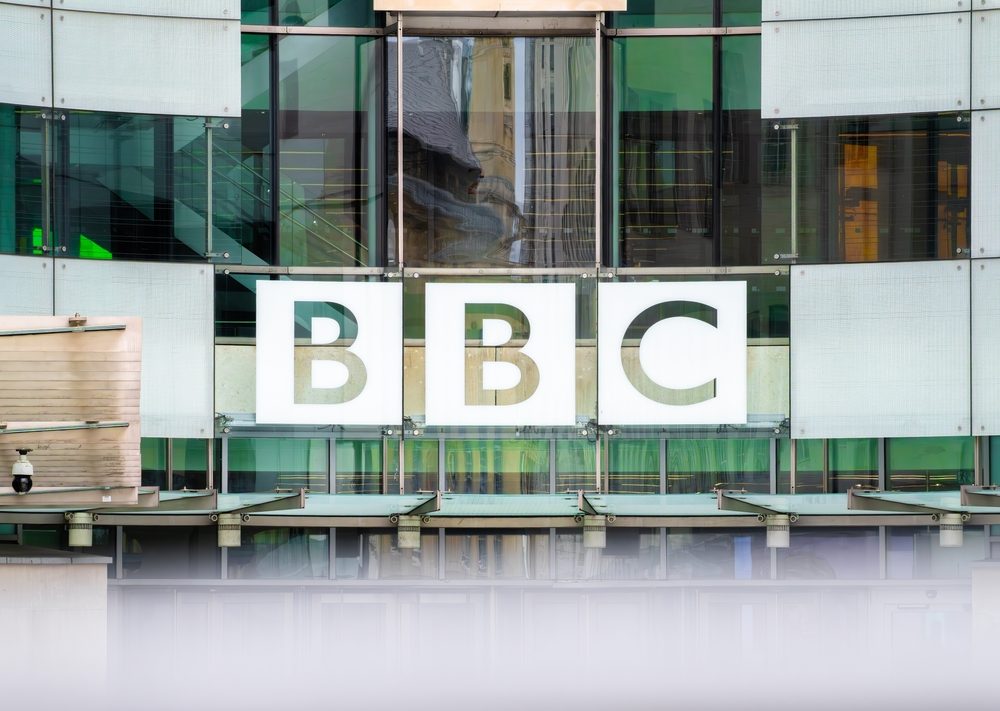
The UK’s public service broadcaster may break decades of tradition by introducing advertising for the first time…
The British government is reportedly considering something that some in the country’s media and indeed many of the general public would view as sacrilege…
This is, of course, the prospect of introducing ADVERTISING to the BBC, the country’s public broadcasting service. Cue the outrage, the indignation, the barricades on the street.
“Are they really going to interrupt EastEnders and The Traitors with ads?,” people will seethe over their cups of tea and pints of ale. “I already have to deal with enough of that watching Corrie and I’m a Celeb over on ITV!”
However, you can all put away your pitchforks and torches, and cancel the marches planned on Downing Street and Broadcasting House. The Beeb is not going to be fully commercialised, not just yet anyway.
What’s really going down on the BBC?
According to Reuters, which has cited people close to the matter, the government is in talks to potentially bring advertising to the BBC iPlayer platform. This is the BBC’s online, on-demand platform, where viewers can watch any BBC programmes at any time, and in any place.
Data shows that Brits are increasingly consuming media online, and while the power of the telly remains strong it is far from the dominant means of communication anymore.
A 2026 YouGov study found that 70% of UK adults watch broadcast TV either live or on demand, while 64% use streaming platforms. However, the figure changed significantly on an age basis, with 49% of 18-24 year olds watching TV as opposed to 81% of adults.
If Reuters reports are anything to go by, the government is not just looking at the prospect of bringing advertising to BBC iPlayer, it could also include advertising for programmes produced and broadcast on rival networks like ITV and Channel 4.
The move has two motivations. Firstly, to bring in more revenue for the BBC, which relies entirely on state funding via the TV licence model. The BBC has previously warned it faces a mammoth decline due to more and more people not paying their licence fees.
And why are more and more popele not paying their fee? A simple answer could be that they are not watching the BBC, bringing us on to point two – the BBC”s growing need to compete with online streaming services.
Netflix, Prime Video, Apple TV, NowTV and Paramount Plus exploded onto the media scene some time ago.
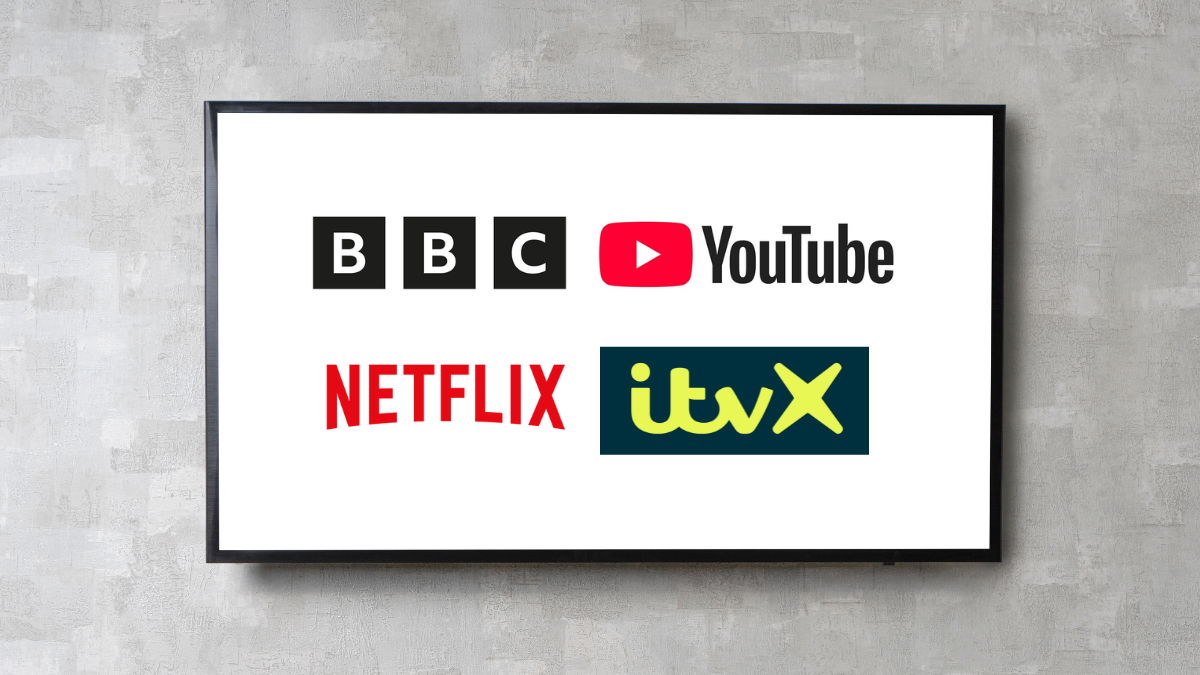
According to Ofcom, Netflix is now used by Brits marginally more than the grand old BBC.
It seems the government and BBC may both think that bringing advertising to iPlayer and overhauling the platform is a logical way for it to catch up in the era of digital dominance.