



Despite huge projected audiences for this World Cup, adspend growth is diminishing.
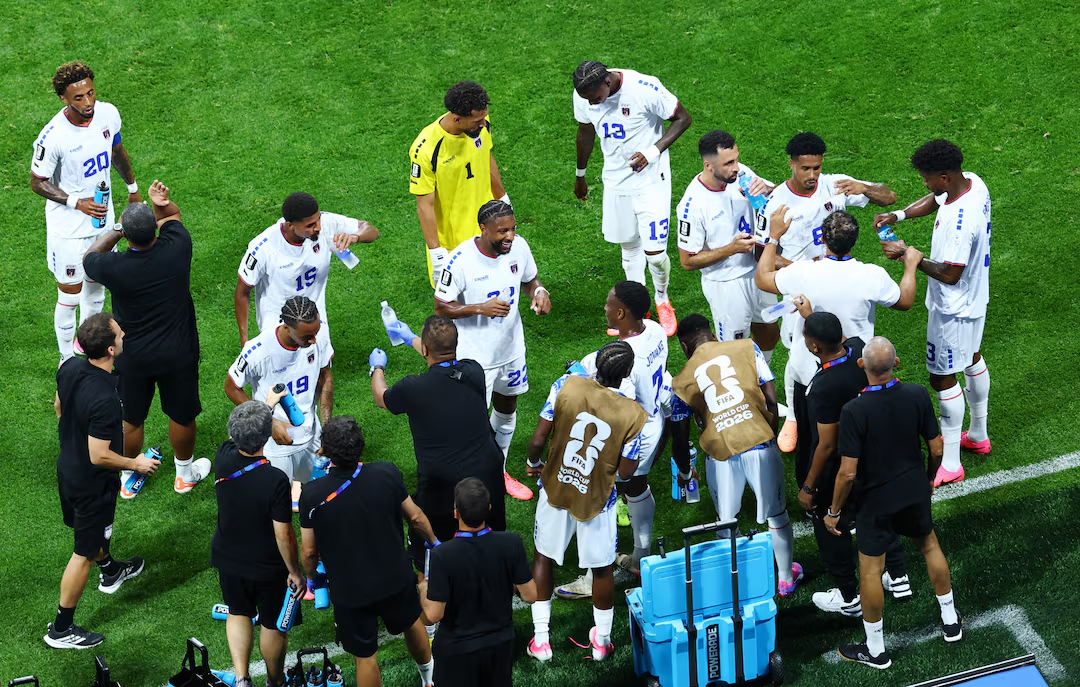
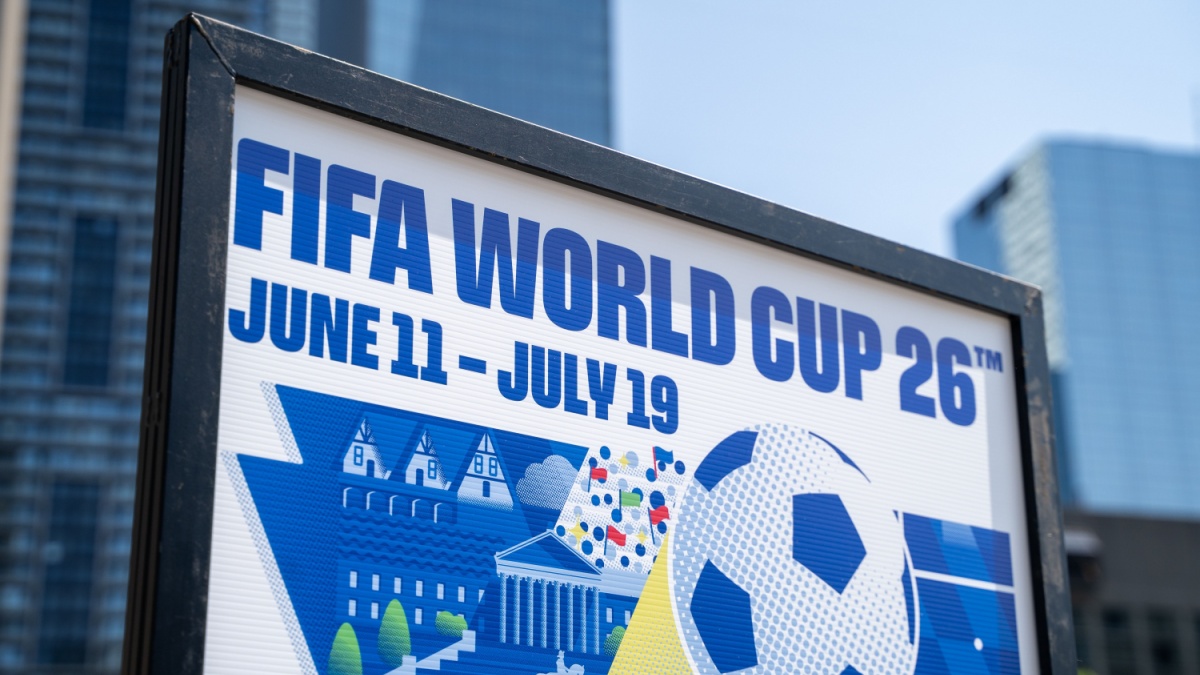
The men’s 2026 FIFA World Cup is projected to be one of the largest tournaments in the organisation’s history set to boost global GDP by $40.9bn.
Despite big audiences, expanded sponsorship packages, and rising rights fees, measurable contribution to ad growth “appears to be weakening”, according to WARC Media.
The event is expected to inject $10.5bn into the ad market during the quarter, although advertisers are now engaging with consumers across diverse touchpoints beyond traditional broadcast rights, and no longer have the luxury of competing within a single commercial surface.
This represents just a 1.1% incremental gain from the 2022 Qatar World Cup – and a decrease in comparison to the 2018 Russia World Cup, which saw a $12.6bn impact on annual adspend.
The impact in the US, where football rivals other popular domestic sports, is inconsistent and minimal, with positive years seeing between 0.4% and 1% impact.
In Canada and Mexico, there is also no consistent pattern of acceleration found in World Cup years. The forecast by WARC showed roughly a 4% increase, which is modest for a host market.
“This World Cup is no longer just about live matches – brands will engage with fans across touchpoints before, during and after matches have concluded,” said Alex Brownsell, head of content, WARC Media.
“Media plans will include platforms that benefit from the conversation about the World Cup without the burden of bidding for rights – from creator content to podcasts, turning conversations around the games into powerful opportunities for connection and impact.”
Shifting viewing habits
Viewers are shifting away from watching football on linear TV towards digital channels and across multiple devices, meaning for advertisers it’s no longer just about the matches, but what happens around the games.
The Qatar World Cup reached 2.8 billion viewers for at least a minute, but linear reach fell 11.9% in comparison to 2018. Africa, Latin America and the Middle East saw the highest viewing levels with engagement far above global averages. In Europe, the largest audiences were in the UK and Germany.
In the US, 37% of Americans are expected to increase their interest in football over the next 18 months off the back of the World Cup momentum.
TikTok has signed a deal to partner with FIFA, and will show behind-the-scenes content – further outlining the audience fragmentation for the tournament. YouTube will also provide live streams for media partners, and Netflix is looking to monetise the conversation around the games through video podcasts.
In fact, there have been 1.4 million TikTok posts under the #FIFAWorldCup tag, and 90% of viewers have taken at least one off-platform action after watching sport content on TikTok, leaving huge potential for advertisers to reach audiences with short-form video content or social media posts.
Given that the majority of the matches will be aired outside of peak viewing times in Europe, the Middle East and Asia, live broadcast advertising opportunities may be limited.
In western Europe, fewer than half (42%) of games will be played outside of daytime hours, yielding new opportunities for advertisers to capatialise on across the different marketing channels and brands in restricted categories to take advantage of watershed rules.