


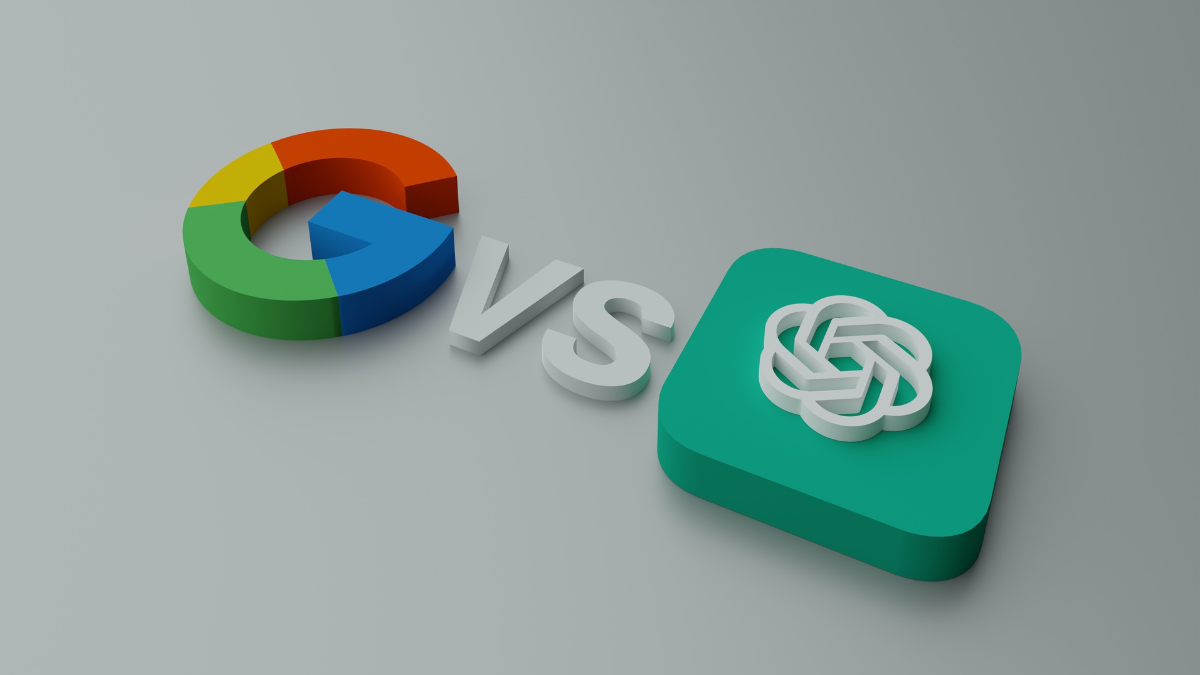
The CMA is proposing to open up the search market after ruling Google had a monopoly, but OpenAI is urging the watchdog to include AI in its search criteria.
Google has responded to the UK’s Competition and Markets Authority (CMA) proposals for new digital market rules around search.
Last year, the CMA designated the tech giant with a ‘strategic market status’ SMS in search and search advertising, following an investigation into its services.
The landmark decision confirmed Google as a search monopoly and now the Alphabet-owned company has responded to the CMA with its own ideas.
To keep search results fair and useful, Google has designed its ranking system to show the most “relevant, highest-quality results”, adding that it does not “give our products special treatment”, a fact confirmed by the CMA.
Under the CMAs proposed measures to open up the search market, Google will need to offer Chrome and Android users a “choice screen” with an option to select a different search engine as their default.
Traditionally, this would include alternatives such as Microsoft’s Bing. However, in its submission to the CMA’s consultation on this, OpenAI has argued that ChatGPT should also be included as an option.
The Microsoft-backed firm said the current criteria is framed around traditional concepts of search, which could risk excluding “innovative AI chatbots that offer search functionality”.
“Like search engines, some chatbots enable broad information discovery through conversational or multimodal responses. And consumers increasingly are using these services,” it wrote.
OpenAI has recommended to the CMA that its eligibility criteria should “explicitly include a clear reference to AI chatbots that include search functionality, and competing offerings of a ‘search generative experience’”.
In its response to the CMA, Google said it has proposed a less intrusive way for users to choose between their services.
The company wrote in a statement on its website: “We know that people don’t like being bombarded with frequent, interruptive pop-ups, and that the proposal that we show more choice screens every year, on top of when you set up a new device, would annoy users.
“Instead, we’ve proposed a less intrusive, permanent central switch in your device’s settings, making it easy to change your default search engine any time.”
If the CMA allows users to replace Google with an AI chatbot as the default search engine, it could mark a new era of search and challenges for the tech giant.
OpenAI pointed out in its response that Google has already integrated AI into its search product such as AI Overviews – another reason why it should be considered as an alternative option for users.
AI Overviews has led to a drop in click-through rates for some publishers, despite Google’s effort to make links to sources more prominent.
However, to combat this, Google said it is developing further updates to let publishers and other websites opt-out of generative AI features in search.
The company said: “We will continue to work constructively with the CMA to find practical solutions that benefit users, publishers and businesses across the UK.”