

Meta and YouTube were found to be negligent, with their apps designs causing harm to children
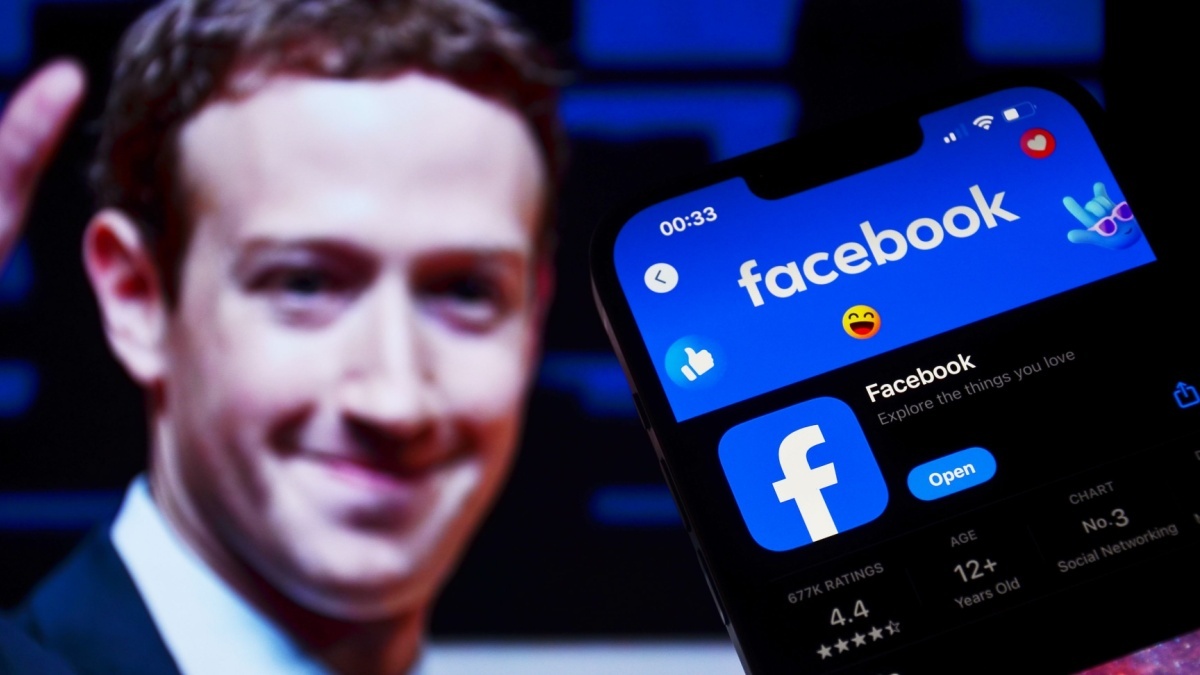
Meta and YouTube have lost a landmark trial in which they were accused of designing their apps to be addictive and harmful to children.
A California jury found that YouTube and the Instagram and Facebook parent company, Meta, were negligent in the operation of a product which harmed children and teenagers, failing to warn them of the dangers of use, the Wall Street Journal reports.
The companies were ordered to pay $3m to the plaintiff, Kaley G.M., who argued that social-media use as a teenager had contributed to anxiety, body dysmorphia, and depression.
Both Meta and YouTube have signalled they will appeal the decision.
A Meta company spokesperson said: “Teen mental health is profoundly complex and cannot be linked to a single app. We will continue to defend ourselves vigorously as every case is different.”
A spokesperson for Google added: “This case misunderstands YouTube, which is a responsibly built streaming platform, not a social media site.”
This is the latest in a series of legal cases which allege that social media companies allowed harmful content in order to fuel their algorithms, prioritising engagement over user safety.
Earlier this week, Meta was ordered to pay $375m after being found to be liable in a child exploitation case, with a New Mexico jury finding the firm guilty of misleading consumers over safety, and enabling harm against them.
Kaley’s lawyers said in a statement the latest “verdict is bigger than one case”.
“For years, social media companies have profited from targeting children while concealing their addictive and dangerous design features,” the lawyers’ statement said. “Today’s verdict is a referendum – from a jury, to an entire industry – that accountability has arrived.”
Social media companies have previously been protected through Section 230 of the Communications Decency Act of 1996, which provides de-facto immunity for online platforms from liability posted by third parties on their sites.
However, this case focused not on the content, but on the design of the apps, and could prove to be a litmus test for many more pending lawsuits across the globe.
Affiliate Leaders reached out to both Meta and YouTube, but has not yet received a response.