

The European Commission’s proposed changes aim to challenge Google’s dominance in search and ensure compliance with EU laws.
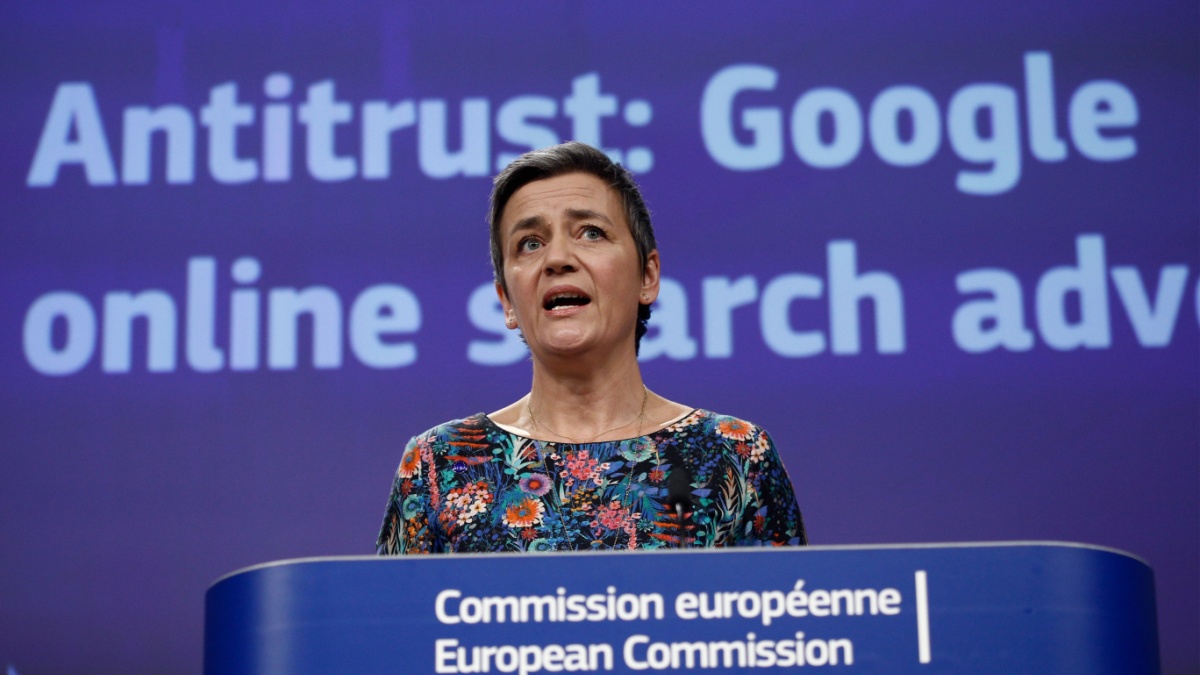
The European Commission (EC) has told Google to allow third-party search engines access to its search data to comply with the Digital Markets Act. .
Google has been advised that third parties – including AI chatbots with search functionalities like ChatGPT and ‘data beneficiaries’ – should be given access to information such as rankings, queries, clicks and view data, on fair, reasonable and non-discriminatory terms.
It follows the UK’s Competition and Markets Authority (CMA) designating the tech giant with ‘strategic market status’ in search and search advertising, towards the end of 2025 following an investigation.
This mirrors the US ruling, which found Google to hold a monopoly in search, search advertising and advertising technology.
The aim of the proposed measure from the EC is to allow these ‘data beneficiaries’ to optimise their search services, and challenge Google’s dominant search position.
According to the EC, the proposed measures covers the following:
- The eligibility of data beneficiaries to receive search data, including that of artificial intelligence (AI) chatbots with search functionalities;
- The scope of the search data that Google must share;
- The means and frequency by which Google must share search data;
- Measures to ensure the anonymisation of personal data;
- Parameters for setting fair, reasonable and non-discriminatory prices for search data
- Processes governing beneficiaries’ access to search data.
The commission has invited a public consultation on the proposals, in which all interested parties have until 1 May to submit their thoughts.
Google is reportedly preparing to fight the measures, which it has said are overreaching and an invasion of user privacy.
“Hundreds of millions of Europeans trust Google with their most sensitive searches – including private questions about their health, family, and finances – and the commission’s proposal would force us to hand this data over to third parties, with dangerously ineffective privacy protections,” Clare Kelly, Google’s senior competition counsel, told Affiliate Leaders.
Once the consultation is complete, the EC may adjust the measures before they are implemented. The final decision will be binding for Google and must be adopted by 27 July 2026.
“Search engines must be able to innovate and keep pace with evolving user needs,” said Henna Virkkunen, executive vice president for Tech Sovereignty, Security and Democracy.
“Our work to create opportunities in this sector continues – and comes at a crucial moment of growing interconnection with AI services. With this public consultation, we want to hear from the market on the most effective ways for Google to share search data with competing online search engine providers, to continue our push for innovation and fair competitiveness.”