


In Part 2 of her column from Cannes, Jyoti Rambhai discusses the role of data, attention and incrementality as the advertising industry adopts AI into its worksflows.
In part one of my column off the back of attending Cannes Lions last week, I delved into whether the marketing funnel still exists… it seemed to be a hot topic of debate.
But it wasn’t the only thing. It was hard not to have a conversation without hearing the word AI drop in at some point. But the conversation has moved on from the days of ‘this is what it could do for advertisers’, to the reality of adopting AI into workflows and the challenges it has imposed.
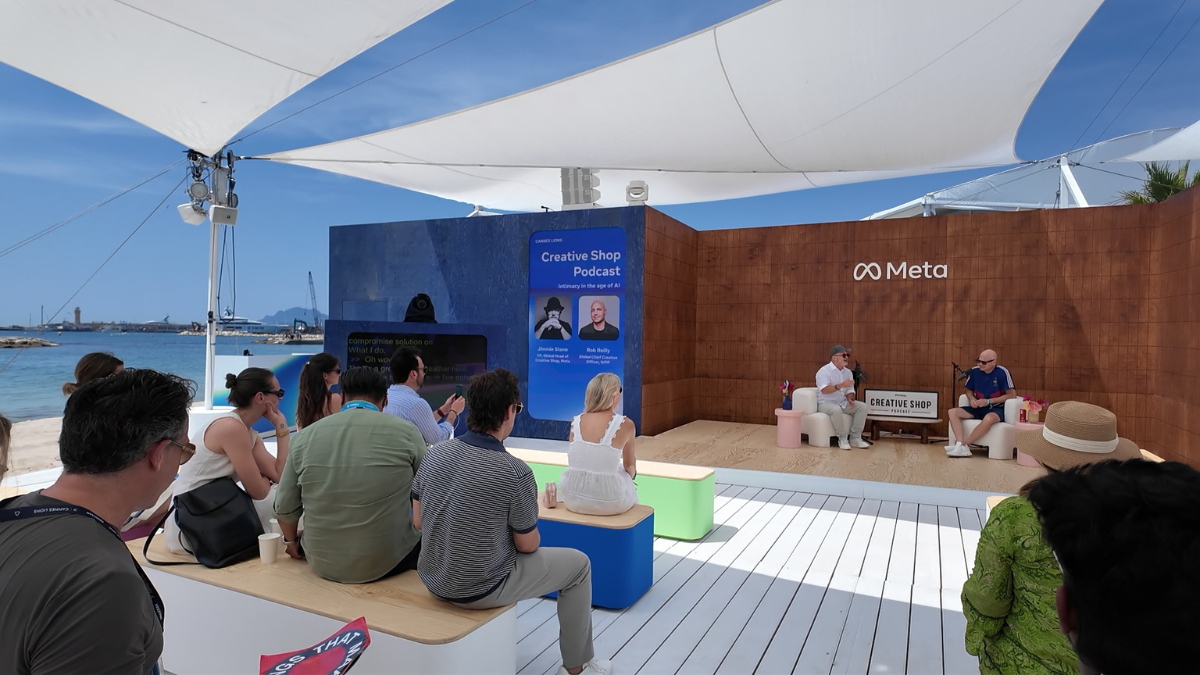
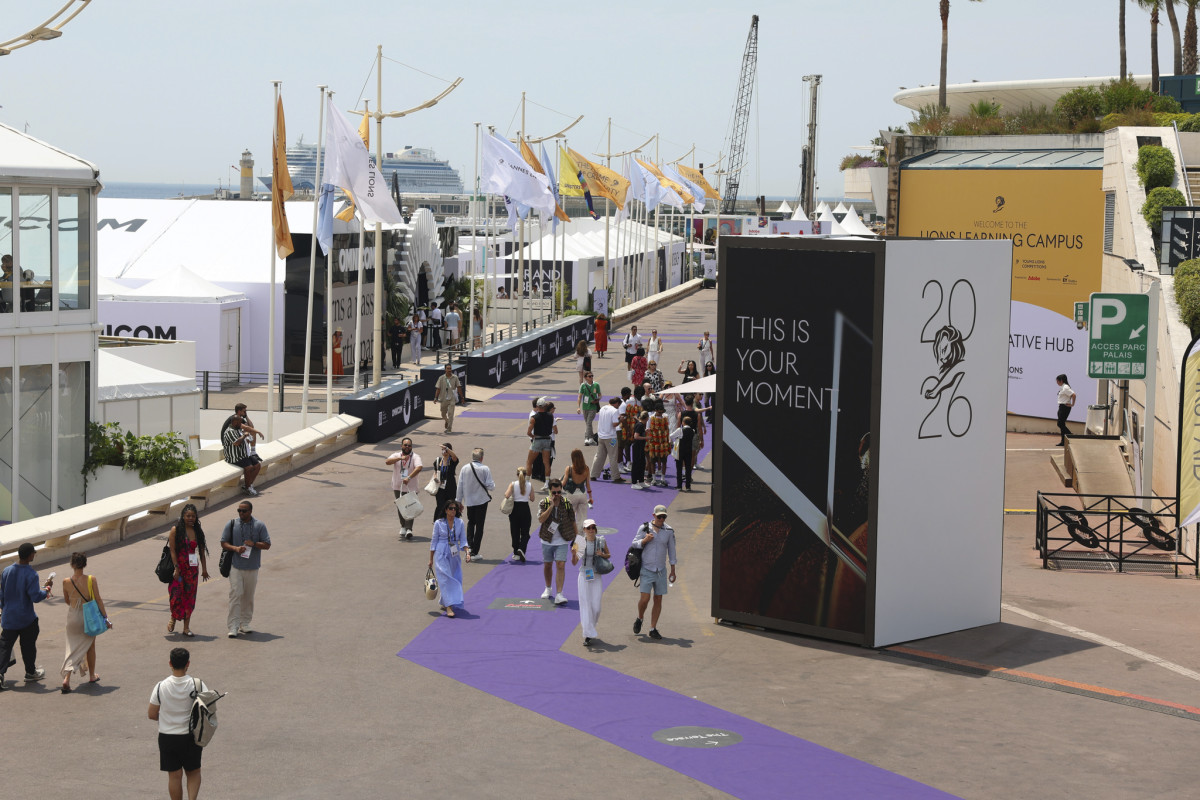
This was an “extra hot” topic that filled the canopies along the Crossiette – as well as the record-breaking heatwave.
As Maor Sadra, chief exec and co-founder of ICRMNTAL summed up: “The real heat [was] the wave of strategic acquisitions announced, and the number of companies scrambling to find their footing in the zero-click AI reality we’re now living in.
“The buzzword bingo cards practically wrote themselves. AI has quietly become the default engine driving intelligence in our industry – and data is the oil it runs on. The companies that figure out how to refine that oil – not just hoard it – are the ones who’ll still be standing when the next heatwave rolls in.”
No more ‘tsunamis of shit’ ads
To expand on Sadra’s metaphor, if data is the oil, then in order to ensure there is enough oil in the pipeline to turn the clogs, you need attention, efficiency and incrementality, all working together.
Dentsu recently published a report, titled The Brand Reset, which found white attention matters, after 20 seconds, it delivers little additional impact. This calls into question the assumption more attention is better.
In a session hosted by Teads, the panellists referenced this study, highlighting the importance of the creative.
Les Binet, performance marketing guru and author of The Long and Short of it, highlighted that “we’re in a low attention world” and the rhetoric is “let’s not worry about the creative quality and accept people aren’t going to pay attention to ads”.
Therefore, advertisers are producing a “tsunami of cheap shit that basically annoys the hell out of people”, hoping that they get a little bit of attention if they “spam them enough”.
“That’s not a good business strategy,” Binet said. “It’s not the way to make big money, but it also leads us into a horrible world where people are just producing a form of noise pollution.”
Mike Follet, chief executive at Lumen Research, agreed, adding it is important to understand and buy media that “gives people the opportunity to engage”.
He alluded to the report’s findings on how voluntary attention can work harder than forced attention. For example, a skippable video ad may have lower impact when only viewed for one or two seconds, but if a user chooses to watch the ad, the impact surpasses non-skippable ads.
Creative is the ‘amplifier’
This is why the creative is still so important. It can “double, treble or even quadruple the value of your media”, Follet explained. He described creative as the “amplifier”– the catalyst for essentially driving efficiency, which ultimately has a direct impact on driving business growth.
Then comes the question of how you measure it. While at Cannes we did a series of vox-pop style videos, where we asked a different question each day to a range of experts. One of the underlying themes from the people I spoke to for this focused on a move away from traditional, siloed metrics towards a more unified system which tracks business growth rather than just surface level conversions.
Neala Brown, global head of data and measurement at Teads, said it’s about looking at the full customer journey from awareness to conversion and understanding “all the data signals underneath”.
This is the closed loop attribution… another buzzword along the Croissette.
There has definitely been a shift in people talking about the role between data, attention and incrementality, especially in the context of establishing long-term brand equity over temporary clicks.
After all, we’re now entering a zero-click era, so the industry needs new ways to measure success. And AI is at the heart of that intelligence engine, driven by data.