


While fears over black market gambling advertising continue to escalate, industry leaders pointed to trust as a key tenet for affiliates to lean on in the battle for market share.
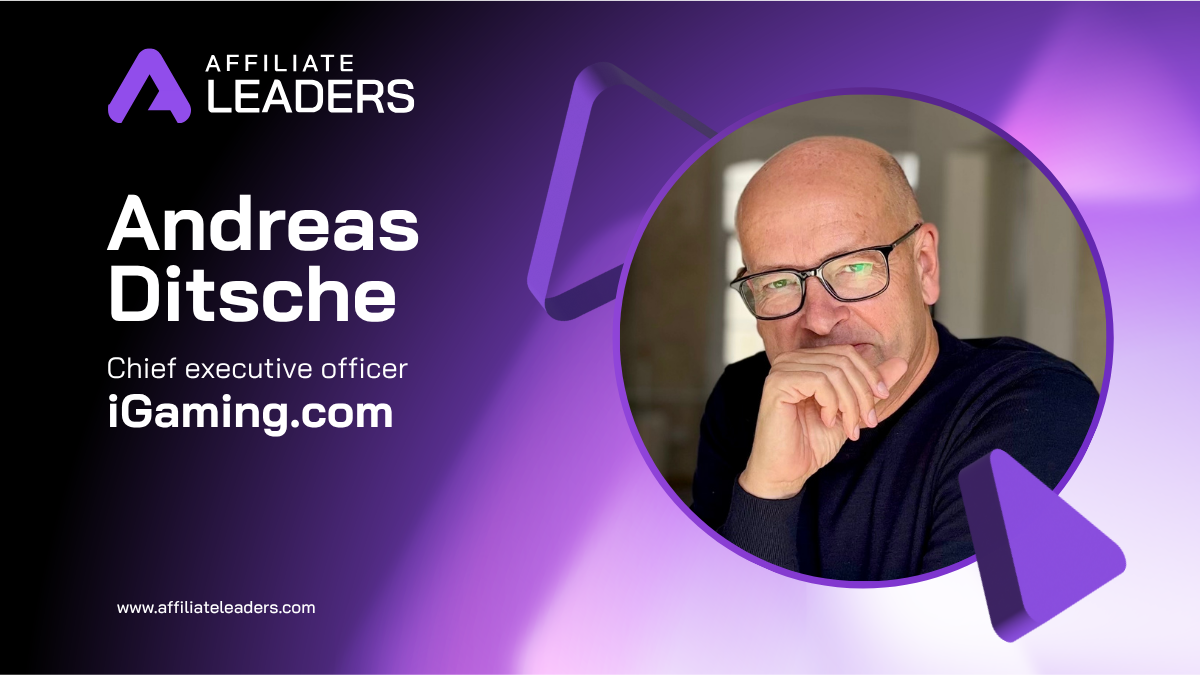
Speaking at the Gaming in Holland conference, Dr Andreas Ditsche, chief executive of iGaming.com, said affiliates choosing to stay within the legalised sector must lean on the trust they can generate as they operate with a transparency not available to black market advertisers.
He said: “What counts is trust, especially for the recreational or casual player. It is all about being reliable. [Transparency] is an advantage, and you can play this advantage for players who have decided to play in the legal market.
“In the end it’s a management decision that you give up 30, 50%, 70% of the market we could address if we would say let’s move to a country where they do not get us and don’t think about the ethics. I think you have a social responsibility, it’s a conscious decision to follow the rules.”
Although this is largely the case, Richard Dennys, chief exec of Mr Gamble, noted it’s not just the regulated market that has managed this feat.
He pointed to the hundreds of millions invested by Stake in viral social media advertising campaigns which have built consumer recognition and superseded regulation in gaining the trust of social media users.
Dennys also lamented some of the key characteristics of black market affiliates that make them challenging to curtail.
He explained: “I haven’t really found an affiliate founder that wasn’t a gambler originally. [This means] they know how to play the game, and they like risk. They’re taking those risks to beat the systems because beating the system is what they’re ultimately on the planet for.”
Data collated by BLASK and shared by Martin van Geest, co-founder of Meneer Casino, underlined the challenge facing those trying to wrestle control of the Dutch gambling market away from the illegal sector.
According to the data, 13.8% of brand interest share now sits with the black market, compared to 6.6% in 2022 – a year after the regulated Dutch online gambling market opened. In a similar vein, consumers are now actively searching for just 28 licensed brands compared to 215 in the unlicensed sector.
Van Geest argued that gambling reforms in the Netherlands, as well as a tougher tax framework for licensed operators, have created a ‘perverse marketing segmentation’ favouring the black market.
He said: “If you’re an illegal operator, you will get players who, on average, spend much more than the players that are in the legal market, so you can spend much more on player acquisition per player. You can spend more on SEO. You can outbid legal operators when you’re bidding for PPC ads.
“The government has actually made illegal operators very happy, because they’re being handed the most valuable players on a silver platter, and at the same time, the legal operators have to market a product that many players see as inferior, and they have much lower budgets to do so than their illegal competitors.”