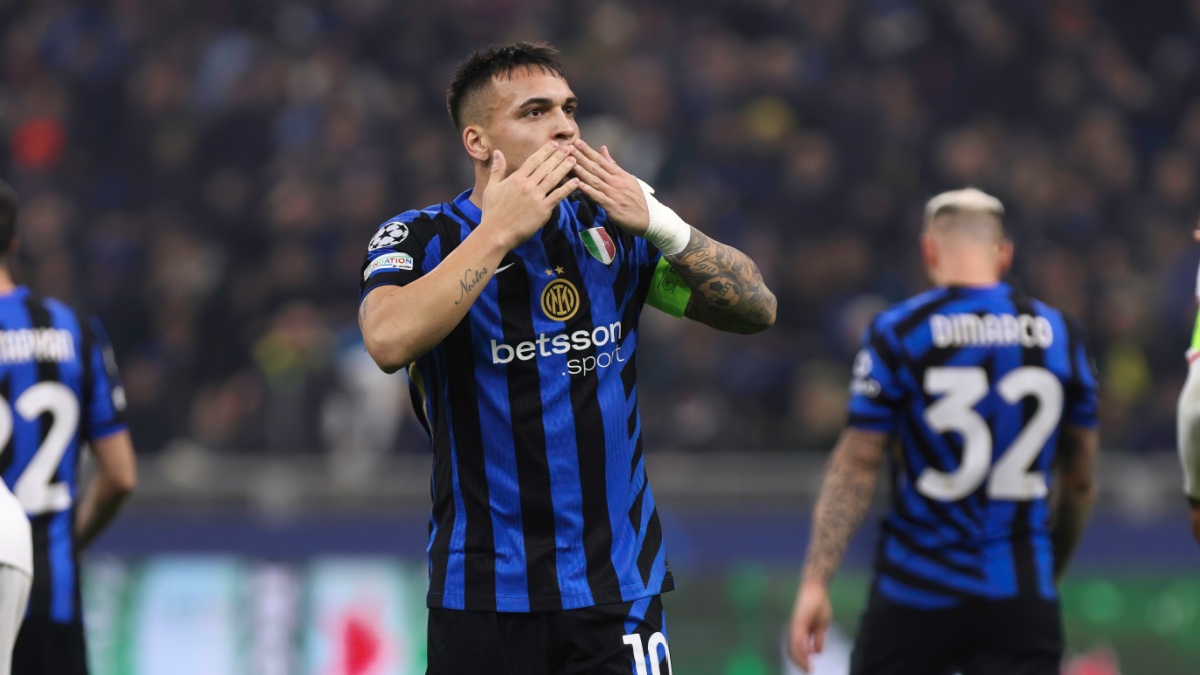


The 2026 FIFA World Cup saw over $50bn generated in wagers – but new analysis from TrafficGuard suggests that over $100 million was wasted trying to acquire players during the tournament.
The 2026 FIFA World Cup has become the largest sports betting event ever staged, with more than $50bn global wagers made on the tournament – roughly 43% above the 2022 total.
In comparison to the last World Cup, DraftKings bets saw a 650% rise with wagers on the final reaching two million alone – and BetMGM bets also rose 211%.
Research showed that sites surged to a 22% invalid-traffic rate, primarily due to bots and returning, non-incremental users – bringing in zero new dollars to the house. Those unprotected against invalid traffic lost an estimated $30-50m on search alone, and likely more than $100m once affiliate and socials are counted.
Sportsbooks saw a record financial windfall from the tournament. Betting houses won $4.5bn in revenue from the World Cup, with $500m net profit from the final alone. This money was made before a single ad dollar was counted.
Paid search budgets surged during the tournament, with the biggest advertisers ramping up spending the most, lifting daily search spend by up to 126%. Tournament spend across over a hundred sports betting operators hit over $200m.
The average operator raised their spend 16.5%, but the biggest advertisers ramped it up by 126%. The daily spend rose just over 60% compared to the three months before.
Mathew Ratty, chief executive of TrafficGuard said: “The World Cup triggered the biggest acquisition spending spree in betting history, and a significant share of it never had a chance of acquiring incremental users. Operators paid for bots that will never place a bet, and paid again every time an existing customer used a paid ad as a shortcut to log in.
“That’s the budget meant for new players, consumed at the most expensive moment in the betting calendar.”