

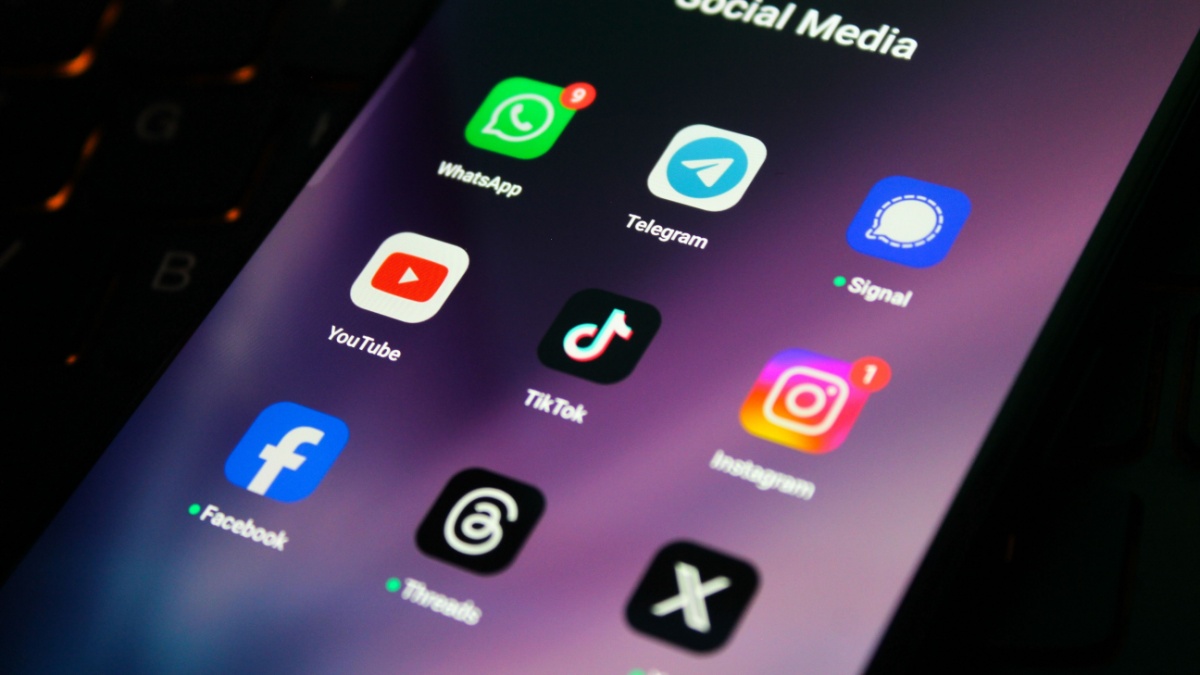
TikTok leads over Instagram on branded content, but most creators consider Instagram the stronger long-term platform for earning money.
Instagram emerges as the favoured platform for creators earning over $250,000 a year.
Data from CreatorIQ, which polled around 5,000 creators, predominantly in the US between May and June 2026, revealed significant differences between TikTok and Instagram in their utility for creator business.
TikTok came out on top as the main platform for branded content with the survey showing that 52% of creators prefer the ByteDance-owned platform compared to 43% who said Instagram.
This changes for those who earn over $250,000 per year, with 60% choosing Instagram, and 30% picking TikTok. In the US, influencers who earn over $250,000 annually account for just 2% of all creators, according to data from The Influencer Marketing Factory.
Over half of creators who regularly publish on YouTube described it as their most lucrative platform, CreatorIQ found. The platform was ranked third for long-term business potential, but despite this, because content remains discoverable for months or even years, creators have more opportunities to earn off the back of it.
Whereas Instagram stories expire and TikTok’s algorithm slows down video distribution of older content.
Meanwhile, 38% of creators think Instagram is the platform with the strongest long-term business potential, ahead of both TikTok (35%) and YouTube (23%).
For smaller creators, TikTok can offer fantastic discovery potential. Smaller creators can reach large audiences, and the platform’s Spark Ads – which boosts existing organic posts, retaining any likes and comments – allow advertisers to test creators’ content, before putting additional media spend behind the strongest performers.
The social media app also has a direct performance route, with creators able to earn commission through product tags.
TikTok’a branded content deal participation rose 90% year-on-year in May, and creators with over 50,000 followers reportedly saw their monthly earnings go up by 40%.
Instagram is also growing its affiliate capabilities, and one talent agency cited in the report, outlined that 64% of new brand partnerships it handled in 2026 came through the Meta-owned platform, and just 14% came through TikTok. Instagram’s content versatility with reels posts, stories, and carousels give creators the opportunity to tailor their content to specific audiences.
So what does this mean for marketers working with creators and their influencer strategies?
The data suggests the platforms all serve a different purpose, each with their own advantages, meaning marketers must adapt to each platform. TikTok, for example, could be better for brand discovery and reaching new audiences; while Instagram has more commercial opportunities and YouTube favours more evergreen content with its long-term earning potential.