

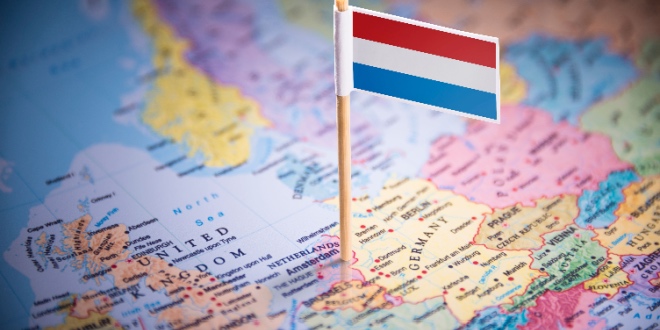
Minister the the Netherlands have been compelled to revaluate the blanket ban on gambling ads
Dutch trade bodies have urged ministers of parliament (Kamer) to reconsider the application of an all-out blanket ban on gambling advertising, warning that the measure could strengthen the country’s growing black market.
The Netherlands’ House of Representatives will debate the future of gambling regulation on Thursday, September 3, as policymakers consider further restrictions on licensed operators.
Among the proposals receiving government support is the full prohibition on gambling advertising, extending the marketing controls introduced since the launch of Remote Gambling Act (KOA) in 2021 as the regulatory framework to regulate online gambling in the Netherlands.
The application of a blanket ban on gambling advertising carries the support of governing tri-party liberal coaltion of Democrats 66 (D66), Peoples Party (VVD) and Christian Democrats (VVD).
Ahead of the debate, the Netherlands Online Gambling Association (VNLOK) has written to gambling spokespersons in the lower house, asking MPs to assess the potential consequences for the regulated market and consumer protection.
VNLOK warned: “It is now estimated that as much money is involved in illegal providers as within the licensed market.
“As a result, more and more players are losing sight of supervision, duty of care, prevention measures and assistance.”
The trade body’s warning draws on monitoring undertaken by the Dutch gambling authority the Kansspelautoriteit (KSA), with the government acknowledging the growing scale of unlicensed activity in a report published earlier this year.
Kamer unaware of Channelisaton threat
Concerns over the illegal market have intensified following successive interventions imposed on licensed operators, including stricter deposit controls, tougher marketing rules and higher age requirements for certain gambling products.
The sector has also faced a two-stage increase in gambling duty, which reached 37% in January 2026.
However, subsequent KSA analysis indicated that gambling tax receipts had fallen following the increase – raising concerns that the higher rate had weakened the licensed market while encouraging consumers to migrate towards untaxed offshore operators.
The spread of illegal gambling advertising has added to the political pressure. Meta, the owner of Facebook and Instagram, has faced scrutiny over the promotion of unlicensed gambling websites to Dutch consumers.
VNLOK recently threatened legal action against the technology group unless it introduced stronger measures to prevent illegal operators from advertising through its platforms.
The association maintains that licensed operators must be able to advertise sufficiently to distinguish themselves from unregulated competitors.
“Advertising must be responsible, restrained and targeted, with special attention paid to vulnerable groups,” VNLOK added.
“A total ban on advertising makes it more difficult for consumers to identify legal operators and increases the risk of them turning to illegal gambling sites.”
VNLOK calls for tougher enforcement
Rather than imposing a blanket advertising ban, VNLOK has called for the KSA’s enforcement powers to be strengthened.
Its proposals include giving the regulator powers to block illegal gambling websites and a greater role in disrupting payments made to unlicensed operators.
VNLOK has also called for illegal gambling activity to be classified as organised crime, which it believes would allow authorities to take more coordinated action against offshore operators and their financial networks.
The trade maintains that reforms must balance the protection of vulnerable consumers against the need for licensed operators to remain visible and competitive. Without that balance, it warns that further restrictions could ultimately leave more Dutch players outside the safeguards of the regulated market.
Kamer on the clock
The pending debate on online gambling laws will close out the year for the Kamer. Dutch parties and ministers have submitted motions to be reviewed including the increasing the minimum online gambling age from 18 to 21.
Support is divided on further motions such as a blanket ban on all forms of bonus incentives. Meanwhile, the KSA has been urged to draft plans to impose a Centralised deposit limits applying across all licensed gambling operators, rather than separate limits for each account or brand.
Overseeing proceedings, Legal protections Minister Claudia van Bruggen (D66) cites that changes and protections must be decided by end of 2026, in order for the government to carryout its full commitment to disband and replace the laws of the KOA act.