

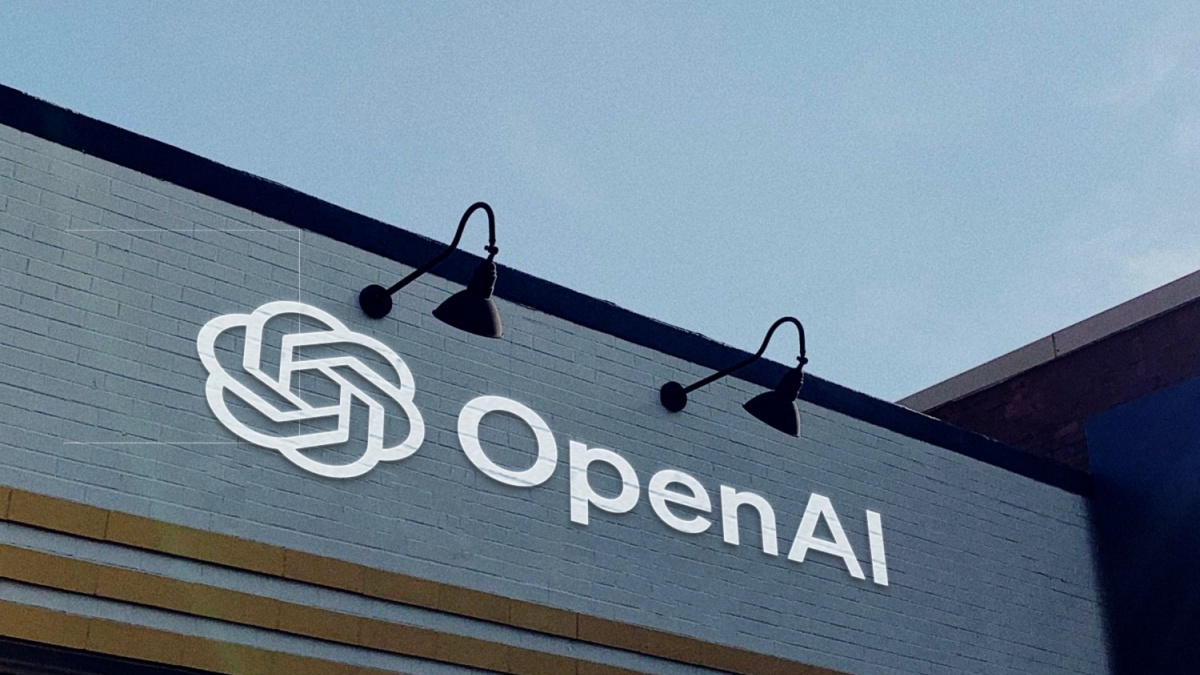
The ChatGPT Ads ecosystem is being expanded to give advertisers a deeper understanding of the ads contribution.
OpenAI has expanded both its in-house and partner-led measurement tools for ChatGPT Ads, stating its goal is to “give advertisers greater transparency”.
The new solutions aim to help advertisers gain a broader understanding of how ChatGPT ads contribute to their business within their existing systems.
It includes new integrations with LiveRamp, Tealium, and Hightouch, which should give advertisers a more streamlined way to send conversion data from their existing systems to ChatGPT Ads.
It also supports web and mobile applications from platforms like Triple Whale, Adjust, AppsFlyer, Northbeam, DV Rockerbox, Branch, among others, which advertisers can use for reporting, conversions API and click attribution solutions. And for full-funnel and measurement, ChatGPT partners now include INCRMNTAL, Measured, and Fospha.
Assessing business impact often relies on measuring incremental changes. Incrementality at ChatGPT is “still in the early stages”, but this has been developed further since the company partnered with WorkMagic, Haus, and Measured. These are aimed at giving advertisers the option to use geo-based experiments to help them understand causal impacts.
Early findings from partners suggests ChatGPT ads illustrate a strong performance across the different measurement tools. For example; DV Rockerbox data found WeightWatchers’ attributed cost per acquisition on ChatGP Ads was 15.3% lower than the paid search benchmark.
With ChatGPT reaching 1.2 billion users each week, OpenAI has maintained its mission to expand the ads pilot and recently opened it up to include Europe.
In couple with this, the Microsoft-back AI firm has also brought in new visual ad formats to enhance the ChatGPT Ads offering for advertisers, allowing them to create and tell stories through images.
These ads will be clearly labelled and separate from the image being created. Testing for this format is due to begin in the US later this month.
Furthermore, it is in the process of developing brand suitability evaluation pilots with DoubleVerify (DV) and Integral Ad Science (IAS), which it hopes will give advertisers a clearer picture of the ads environment and assess brand safety.
The company said this will allow “independent partners to assess how our brand safety standards are applied in a controlled testing environment, without accessing private user conversations” and ultimately “give advertisers greater transparency” into how safeguards work.
Lidiane Jones, chief executive of IAS said: “As advertising expands into AI-native environments, marketers need confidence that brand safety protections are durable, consistent, and built to operate at scale.
“IAS’s independent evaluation will assess how OpenAI’s safeguards perform across a broad and evolving range of scenarios, giving advertisers greater transparency into brand safety and suitability, while preserving the privacy of real user conversations.”
Mark Zagorski, chief executive at “ChatGPT is creating a fundamentally different advertising environment, where context is defined by the conversation itself rather than a page or video. As advertising in these environments scales, delivering ads next to conversations that align with advertisers’ suitability goals becomes essential.
“We’re excited to partner with OpenAI with the goal to bring independent measurement to this dynamic environment while respecting user privacy, helping to give advertisers greater confidence as they explore this emerging and promising channel.”