

Tesco is the latest to have its branding used in ads by unlicensed casino on Meta platforms.
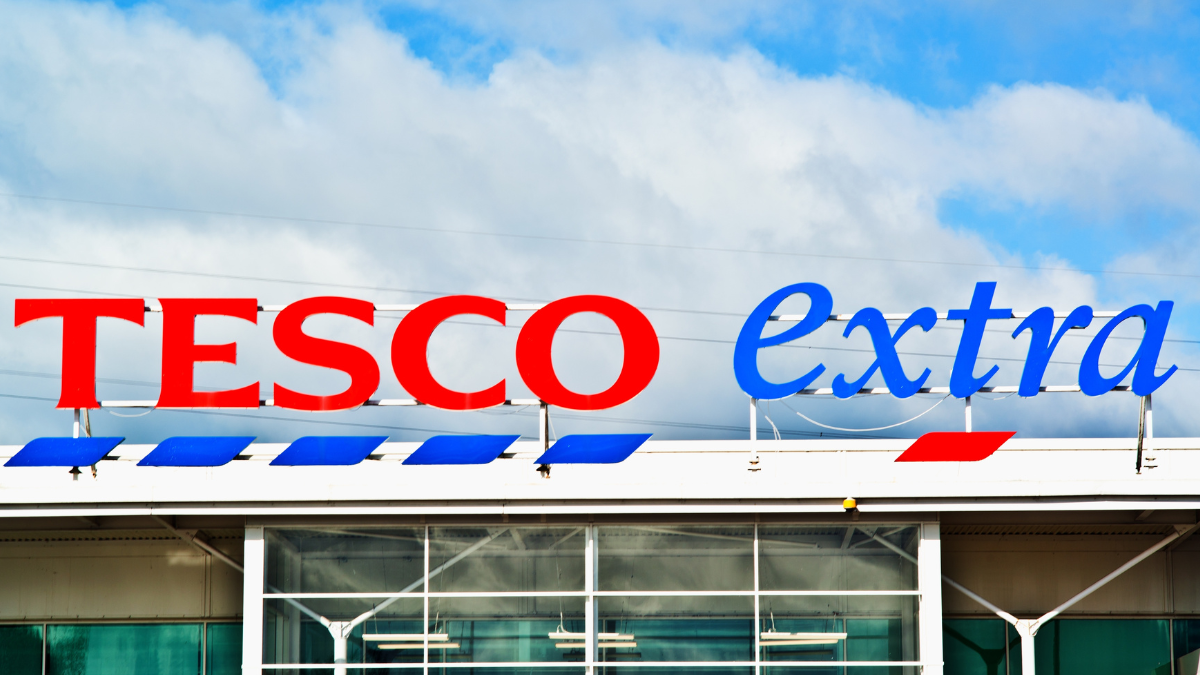
Tesco has become the latest household names to have its branding used by unlicensed casino operators in reportedly false “endorsement” ads and on websites.
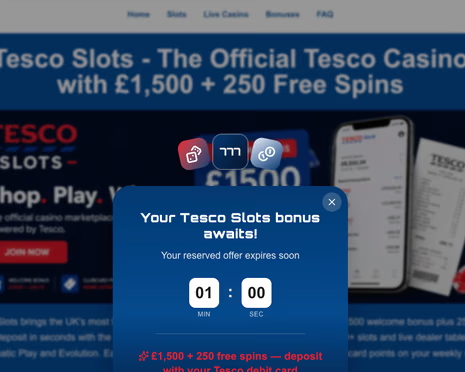
The supermarket giant alerted the City of London police after its branding appeared in ads on Meta platforms offering a ‘Tesco slot bonus’, accompanied by its own page on Facebook, which claimed to be the “official Tesco casino”.
The Advertising Standards Authority (ASA) and Gambling Commission have been notified, but the sites remain visible in the UK, the Guardian reported.
This is the latest in a series of incidents in which celebrities and brands have had their name and likeness used by illegal gambling operators.
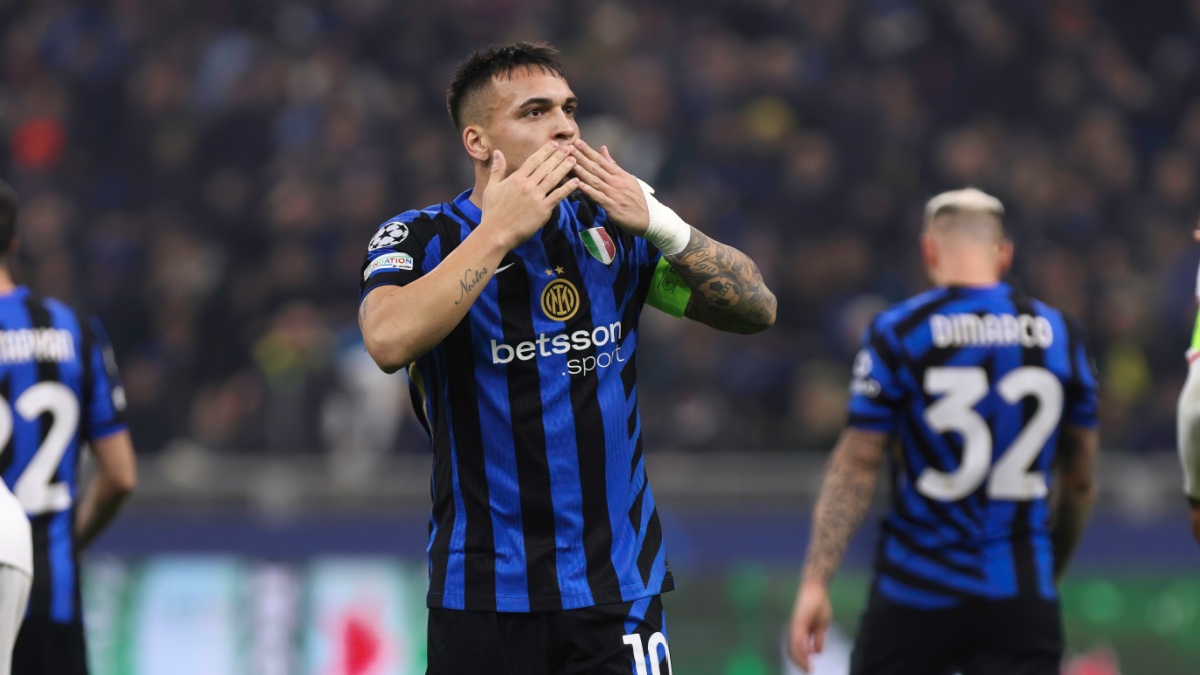
In one of the most extreme cases, Manchester United midfielder Bruno Fernandes was at the centre of a campaign that used an AI-generated deepfake video of him signing an “ambassadorial contract” with an unlicensed operator. While a lookalike of Manchester City striker, Erling Haaland wearing a Norway shirt was used by an offshore casino in an ad.
Jude Bellignham, Lewis Hamilton and Tyson Fury are among the sports stars who have also had images of their faces used without their consent.
A spokesperson from the Gambling Commission told Affiliate Leaders that it takes Illegal activity linked to gambling very seriously:
“Where that activity leads to an unlicensed operator targeting British consumers, that’s squarely our responsibility, and we act on it — last financial year alone we issued 741 cease and desist notices to advertisers and operators, had over 266,000 URLs removed from search engines, and disrupted 1,134 websites through takedowns and geo-blocking, working with search engines, payment providers, hosting providers and platforms to do it.”
“The specific act of stealing a company’s brand or logo in an advert sits partly outside gambling regulation. That’s a question for the platforms hosting the fraudulent ads. We work closely with the ASA, who refer unlicensed-operator ads to us and from the autumn the Crime and Policing Act will let us act directly against the IP addresses and domain names behind illegal sites, which will help close that gap further.”
Illegal gambling sites are primarily run offshore and hidden behind local regulations and shell companies to maintain anonymity.
As a result, from an advertising perspective, these ads and operators are very difficult to regulate.
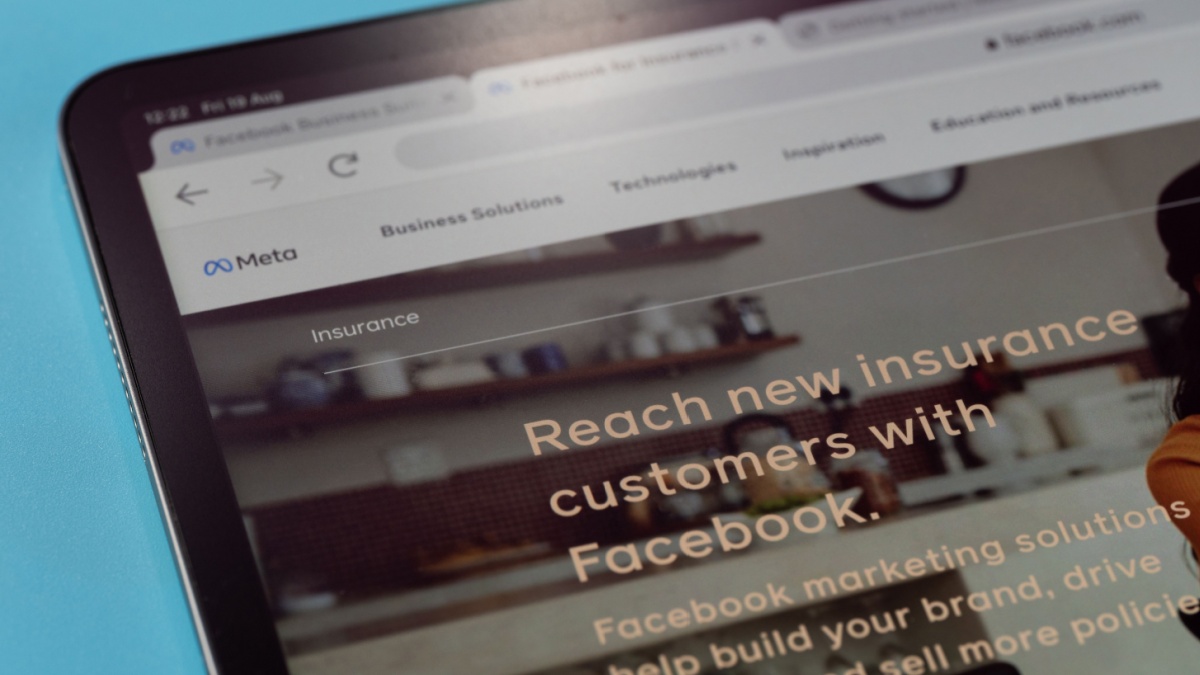
Facebook and Instagram are known to serve AI-generated ads. Last year, an investigation by Reuters found Meta was on track to earn 10% of its overall annual revenue for 2024 – roughly $16bn – from running ads for scams and banned goods, which included illegal casino operators.
Meta charges a penalty fee for ads with a higher ‘fraud score’, meaning the social media giant supposedly earns more money from ads it suspects are fraudulent. This introduces a difficult dynamic as sets some of the most harmful ads on Meta, are also some of its most profitable.
For the legitimate brands which advertise on Facebook and Instagram, this could erode trust and devalue campaigns if users repeatedly encounter scam ads on the platforms.
Affiliate Leaders reached out to Tesco and the ASA for a comment, but has yet to receive a response.