



Brands tapping into the cultural moments where fans are, whether that be in-games like Call of Duty or sporting events, like the upcoming World Cup.
I attended Advertising Week Europe last week, and most of the sessions I sat in on and the people I spoke to, one word kept coming up – fandom.
I’ve always associated fandom with simply being a fan of a football team, a music artist, a TV show and even books (there are some avid Harry Potter and Lord of the Rings fans out there). But it’s only recently I’ve seen fandom become associated with advertising.
Gaming and sports seem to be where this is essentially becoming a “superpower” for advertisers.
Let’s start with gaming – by which I mean video and computer games (think Roblox, Fornite, Call of Duty and even Candy Crush). No longer a niche area, gaming has become an entertainment channel bigger than film and music combined.
To put this into context: the global gaming industry was valued at $184bn in 2024, according to a report published by Dentsu, while the global box office and music industry was worth $33.9bn and $28.6bn, respectively. Yet, the gaming industry makes up less than 5% of adspend.
Unlike other platforms, when players enter the gaming ecosystem, they come by choice, they are enthusiastic and invested emotionally – “they love it”, Chris Bailes, head of EMEA sales at XBOX Media Solutions said during one of the sessions, and that love is the foundation brands can build on.
“When people play, they’re leaned in, they’re active, they’re not passive. So you’ve got these people with this incredibly intent mindset as well,” he added. And this fandom translates directly into attention, which Bailes dubs as gaming’s “super power”.
It’s similar in sports. There were many sessions centred around sport, but the common thread between them was how ‘sports creates shared moments’, it creates a cultural moment.
Given the World Cup 2026 this summer promises to be one of the biggest sporting events, with more matches and an even bigger global audience, it’s no surprise fandom has become part of this. After all, the tournament has been dubbed the golden stage for brands.
“Culture is a passion point. It is a shared interest. It is a shared history or experience together… Culture is something around which we connect, around which we respect and we enjoy our lives together as humans,” said James Cornish, senior vice president international sales and partnerships, Vevo.
And if culture is the shared passion, fandom is how that culture becomes tangible and usable for brands. But brands can’t just turn up, they have to earn their place. It’s about being authentic, going on the journey with fans, being part of the community.
It’s also about the ripple effect surrounding the live events, said Kahlen Macaulay, head of sports and media partnerships, international at Snap Inc: “The build up to it, the hype afterwards… the new Scotland kit… it’s huge, right now… how do brands insert themselves into that conversation […] there’s more opportunities than ever before to do that in fun and meaningful ways.”
He adds: “Events like the World Cup really transcend a sporting moment… we had like 100 million people watch the women’s and men’s World Cup highlights… but we had 300 million people use World Cup themed augmented reality lenses… that’s appealing to a broader audience that isn’t necessarily hardcore sports fans.”
Fandom is stretching far beyond 90 minutes on the pitch; it’s shaping conversations and business narratives. In fact, this is exactly how Allwyn has been tapping into cultural moments with its play and purpose framework.
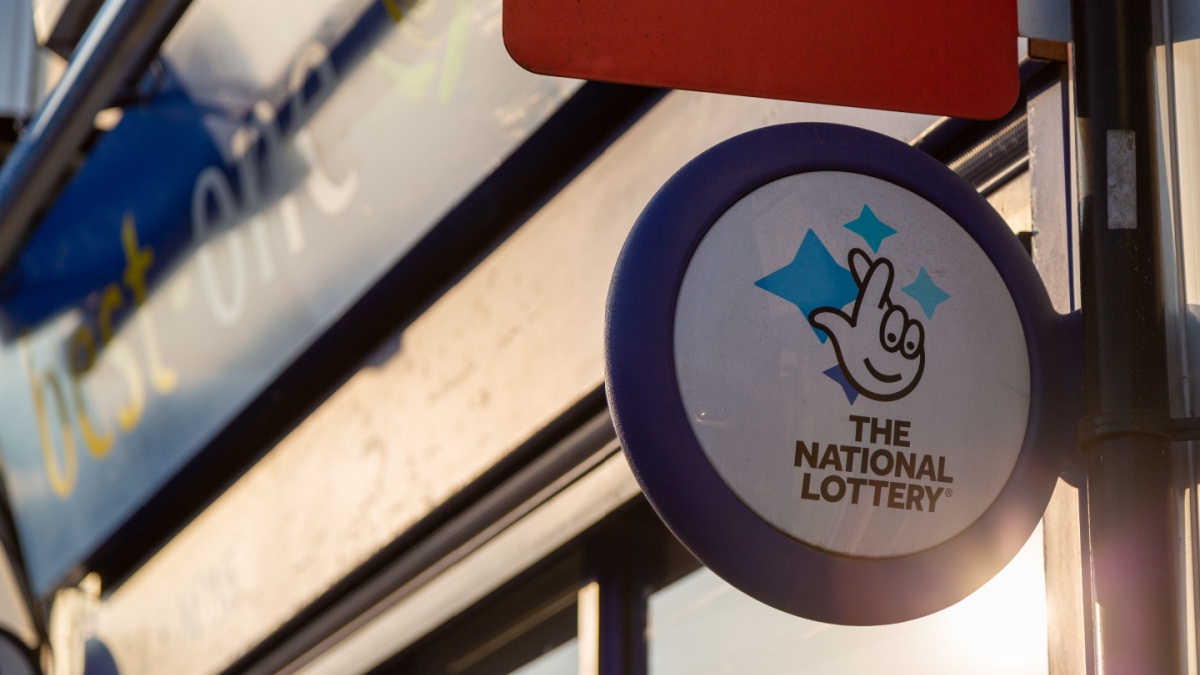
Ben Brown, media director for the National Lottery operator, spoke about how Allwyn have split their marketing strategy into two streams: the first is play, which is “encouraging the nation to play” the lottery, which drives revenue. On the flip side is purpose, which looks at the good causes the money raised through lottery ticket sales goes towards.
The firm tapped into football fandom with Lionesses and women’s football last summer with a project called ‘Get Going’. Many of the Lionesses have benefited from the lottery to help them on their journey, Brown tells delegates, so this was about “generating money for grassroots girls football”.
“We filmed it on the Coronation Street cobbles with Jill Scott, which was amazing. […] All the lionesses were there. We had girls football teams out there as well. So there’s a real cultural moment,” he said.
“We’re getting into the fandom of the lionesses and the personality of our ambassadors and all of those players have had lottery funding. So there’s a real depth to why we do it, and it’s shown through.”
So why is fandom working for advertisers? It’s tapping into the moment when people are leaning in, they are paying attention, whether it’s in a game or watching their favourite sports team. But it only works if advertisers go in with a player or people-first attitude.
Players/ people don’t hate advertising; they hate bad, interruptive experiences. Forced views are called out as “a terrible experience”, said Bailes. But done right, fandom gives advertisers high‑quality attention and emotional engagement, but it has to be earnt by respecting the players and the worlds they care about.