

More updates see Display and Video planning dropped from Google’s Performance Planner
Google is set to change controls for how ads collect and use data, in a string of new updates.
The updates, coming in June, will change how Google Analytics and Google Ads share consent signals, which could have a significant impact on the tracking set-ups used by affiliates and marketers.
Once the update is complete (predicted to be 15 June), Google Ads data collection will rely exclusively on the ‘ad_storage’ consent settings – aimed at streamlining the Google Analytics configuration process.
Google Analytics data collection will still be underneath Google Signals, but Google Ads will only consider whether users have permitted ‘ad_storage’ consent.
This means consent settings will be much more important for attribution, measurement, and audience targeting as there will be less flexibility and control over what gets shared. Any mistakes with consent mode setup could directly affect campaign performance data.
If ad consent originates from a single source, this could help mitigate implementation errors, and make for an easier compliance journey – but brands must be sure that their consent setup is working as it should, as there is very little flexibility in the new attributions.
This will follow an earlier update from the company, narrowing its Performance Planner tool, pushing away from impression-based planning, and driving advertisers towards conversion-focused tactics.
Performance Planner has been axed from Display and Video campaigns. Google has removed access to plans using impression share, top impression share or absolute top impression share metrics.
This means Google is shifting away from impression-based strategies, making it more difficult to optimise upper-funnel campaigns, and signaling a shift towards conversion-heavy strategies, as well as automation.
This could force marketers to re-structure how they plan awareness campaigns, as well as how they measure success outside traditional impression metrics.
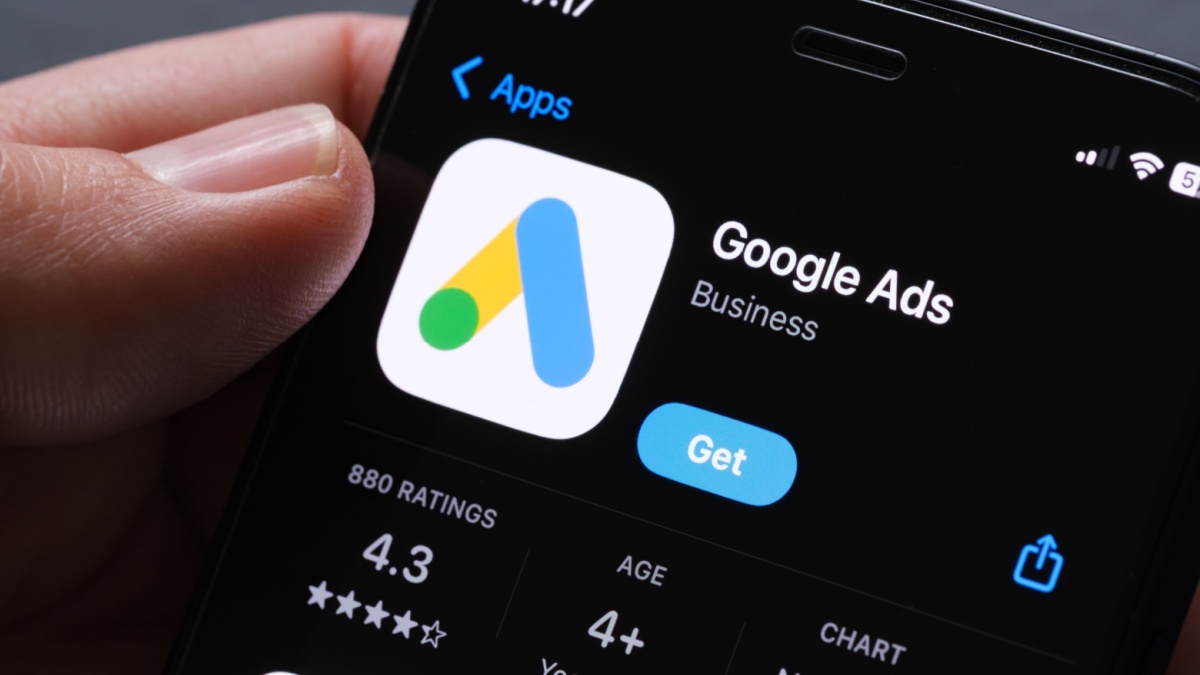
Google Ads is moving towards a prioritisation of automation and performance-driven outcomes.