


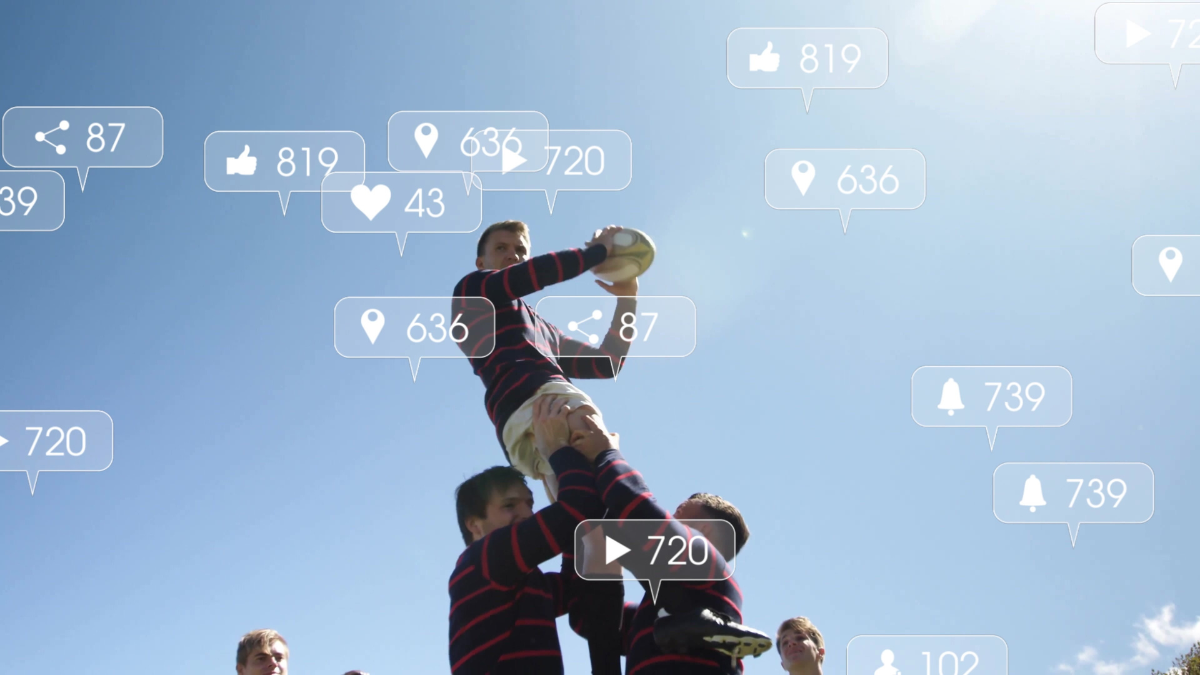
From Formula 1 to rugby, sports organisations are increasingly prioritising branding, content and fan engagement as commercial pressures reshape the industry.
Fans love behind-the-scenes sports marketing content – but that just marketing?
The world of sports is evolving, and branding is becoming an integral part of a team and a player’s operation. Sports are now bigger than just the game itself, with teams and athletes increasingly focused on building identity and emotional connections with audiences.
There are some sports where this is happily accepted, and some where audiences are resisting. However, many sports organisations are increasingly recognising the commercial importance of marketing and fan engagement.
Bristol Bears chief executive, Tom Tainton, came under fire for calling the club a “marketing agency that plays rugby”. For rugby fans, this isn’t an easy thing to hear; but for F1 fans, it feels part and parcel with modern sports.
Formula 1 is centred around brand promotion. Ex-Red Bull boss Christian Horner once explained the company’s presence in the sport as not just a “passion” for racing, but as “the perfect platform to market their brand”.
Authenticity and exclusivity
“It’s the most-viewed sport in the world outside of the Olympic Games and the football World Cup. But of course, they only happen every four years. Formula 1 is every two weeks,” Horner said.
“So the global reach that we’re achieving, the followers that we have, it’s the best possible way, not just for Red Bull, but for any partner associated with us to promote their brand.”
This was increasingly evident at Advertising Week Europe earlier this year. At the event, we heard from athletes and sports executives who explained that the intersection of sports and marketing is crucial to their success.
“I think sport is a real platform and mechanism for embracing what we love, the authenticity of athletes that can tell us something about their lives, about their clubs, their sport takes us behind the scenes,” says Mark Alford, director of Sky Sports news.
In the era of the consumer, access to the behind-the-scenes is valuable for the fans, who feel they can connect on a personal level with athletes and teams through exclusive content.
“I think there’s that authenticity as soon as brands enter. And I think sports is interesting because it is a very passionate, loyal relationship. It’s something very special, very powerful,” Alford adds.
Success stories
In the modern era, we’ve seen plenty of success stories in sports marketing and partnerships. A good example is the recent F1 and Lego collaboration, where Lego built life-sized F1 cars for the drivers to race on track during a race weekend.
The video, now viewed more than 2.4 million times, shows the driver’s personalities (in a sport where media appearances are strictly controlled), as well as an exciting exhibition race with all drivers involved, interacting with one another – which is particularly engaging for a fan.
Teams and sports organisations carefully curate their brand image with collaborations, press events, social media posts, and sponsorships – with content tailored to their target audience and fans.
Promotion and marketing have become deeply embedded within F1, and fans engage with promotional content because it gives them exclusive insight into the sport they love, and access to the intricacies of the relationships that were previously out of public view.
“But equally, brands showing up there in the wrong way can have quite an adverse effect,” argues Kahlen Macaulay, head of sports and media partnerships at Snap Inc.
Very few sports have embraced the marketing mindset the way that Formula 1 has, as many advertisers feel it could cheapen the fan experience and distract from the sport itself.
Show, don’t tell
This is exactly how Bristol Bears found themselves in the headlines – not because Tainton disavowed the sport or diverted funds from players, but because he pointed out that marketing strategy does play a big part in high-level sports decision-making.
“At Bristol Bears, we don’t call ourselves a rugby club. We are a marketing agency that plays rugby. Yes, our players have to be competent and able to deliver on the field, but if they are not bringing any value off the field, that genuinely factors into our recruitment conversations,” he explained.
“There is no point going to market and spending marquee money on a player and just expect them to do something between the white lines on a Saturday. In the grand scheme of things, nobody remembers how Bristol got on against Harlequins two years ago. They will remember how a player made them feel.”
This is illustrated in the pull that star players bring. Rugby is a sport that has historically discouraged players from being outspoken or individualistic, especially in England – but players are breaking this mold.

“Marketing is no longer just a support function for sports teams; it’s central to their commercial viability,” Will Mitchell, Co-founder of sports marketing firm MatchFit told Affiliate Leaders.
Ilona Maher, arguably the world’s most popular rugby player, has over eight million followers (and counting) across TikTok and Instagram, and turned to social media out of financial necessity. But, her profile has gone beyond just rugby, landing her a spot on US hit show, Dancing with the Stars (previous contestants include Zendaya, Kim Kardashian, and Pamela Anderson), and on the cover of Sports Illustrated.
Maher’s signing for Bristol Bears was undoubtedly fuelled by a marketing strategy. Maher’s greatest strength is not on the pitch. She may be a great player, but the Bear’s decision (and Tainton’s explanation) were clear when her debut match drew a record crowd of almost 10,000.
A subtle approach
So, how do teams move forward? In the modern era, marketing is the lifeblood of sport, whether fans like it or not.
Formula 1 has benefited immensely from prioritising marketing. It’s hard to understate the impact that the incredible popularity of documentary series Drive to Survive brought to Formula 1, transforming the viewership with younger, more diverse audiences across the world tuning in.
Rugby, despite having a viewership boost fuelled by the growing popularity of the women’s game, is still at risk of terminal decline. Major teams like Worcester Warriors and Wasps have gone into administration, unable to generate enough revenue to stay afloat.
“The most successful clubs off the pitch are the ones that understood this earliest: investing in data, content, and their brand to diversify their revenue streams, securing high-value sponsors, and building a genuine connection with their audience that goes well beyond matchday,” adds Mitchell.
“In an era where attention is the most valuable currency in an increasingly fragmented landscape, a sports team without a strong marketing strategy isn’t just leaving money on the table; they’re handing it to someone else.”
Under such difficult conditions, Tainton’s mindset isn’t just useful, it’s necessary. As fans, we may not like to think our sport needs flashy PR or promotions to be attractive – the game alone should be enough – but it’s not.