

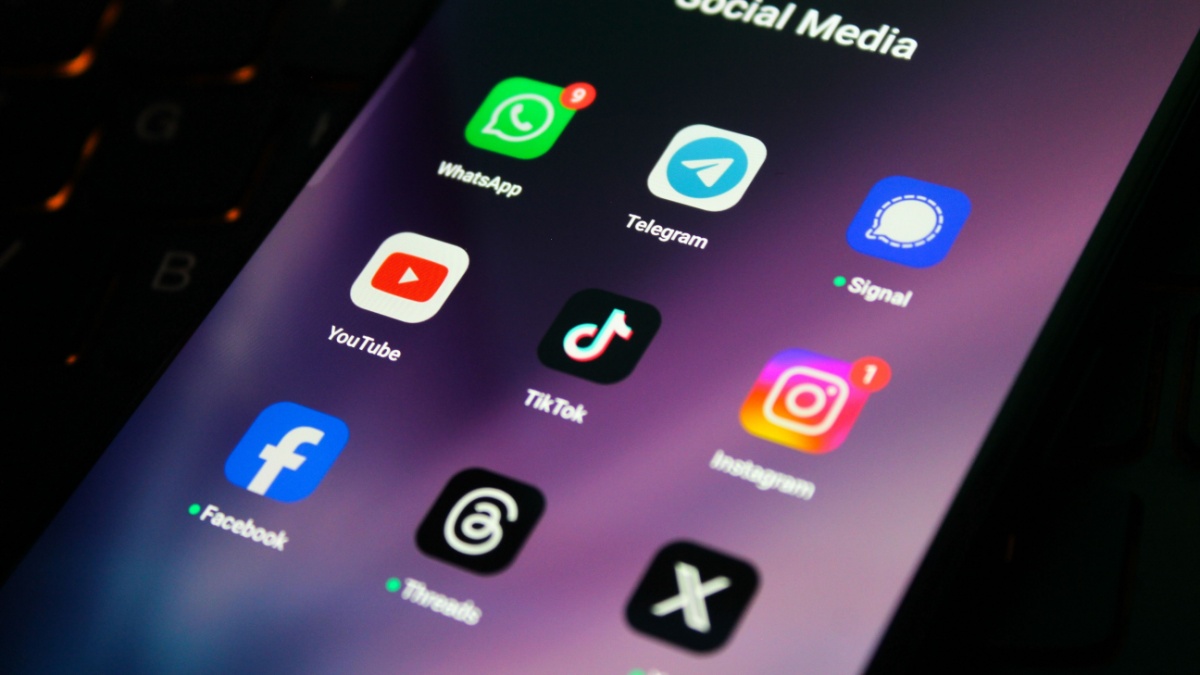
The ban, which includes TikTok, YouTube, Snapchat, Instagram, Facebook and X, is expected to come into effect by spring 2027.
UK Prime Minister Keir Starmer has announced a flat-out ban on social media for under-16s, arguing the platforms are an unsafe environment for children and are making them unhappy.
This comes following a public consultation, which found that 90% of the responding parents supported social media platforms implementing a minimum age of 16 for all users – with 85% arguing the risk posed by social media use outweighs the benefit, the BBC reported.
The ban is set to include Snapchat, YouTube, TikTok, Instagram, Facebook and X – although the PM has confirmed that there are currently no plans to include Signal or WhatsApp.
The UK will join Australia, which implemented a ban prohibiting children from accessing social network sites in December 2025. The government confirmed it plans to use the same model for a social media ban as Australia.
It defines social platforms as apps that “capture user-to-user platforms, whose purpose is to enable social interaction and which allow users to post material, alongside algorithms”. Therefore, the ban include Snapchat, TikTok, YouTube, Instagram, Facebook and X.
The new regulation is set to pass regulatory stages by Christmas and come into force in early spring 2027.
“We’re not just bringing forward a ban” but “going further” with “world-leading action” on gaming services and live streaming platforms, Starmer said.
“I want this message to be heard loud and clear. I am not prepared to compromise on the safety and happiness of our children, and that is why this ban must happen, and why this ban will happen.”
The ban comes in the midst of a string of legal cases brought against social media sites, which allege the platforms risked user safety to fuel their algorithms, putting children in danger with addictive features and inadequate guardrails for the sake of engagement.
This led to media watchdog Ofcom publicly calling for stronger reforms, finding that TikTok and YouTube were “still not safe enough” for children.
These platforms insist they have measures in place to protect young people: “We’ve invested in expert-led, age-appropriate experiences and default protections for teens for over a decade and will continue to do so,” a YouTube spokesperson told the BBC.
“YouTube is a vital resource for young people, educators and parents, external. Blanket bans push kids out of such curated, supervised, beneficial experiences and towards anonymous, less safe services.”
The PM has explained the incoming restrictions will go further than just a blanket ban on social media, and will also include blocking “harmful functions such as live streaming and stranger communication with children for under-16s”.
“These restrictions – which together with the ban go further than any other country – will apply to a wider range of online services, including on gaming sites,” he said.
“Restrictions on these functionalities will also be on by default for under 16 and 17-year-olds to prevent a cliff-edge at 16. The government will also be looking in more detail at overnight curfews and breaks in infinite scrolling for under-18-year-olds and will set out more detail in July.”
The exact workings of the ban and of the digital curfew are yet to be determined.