


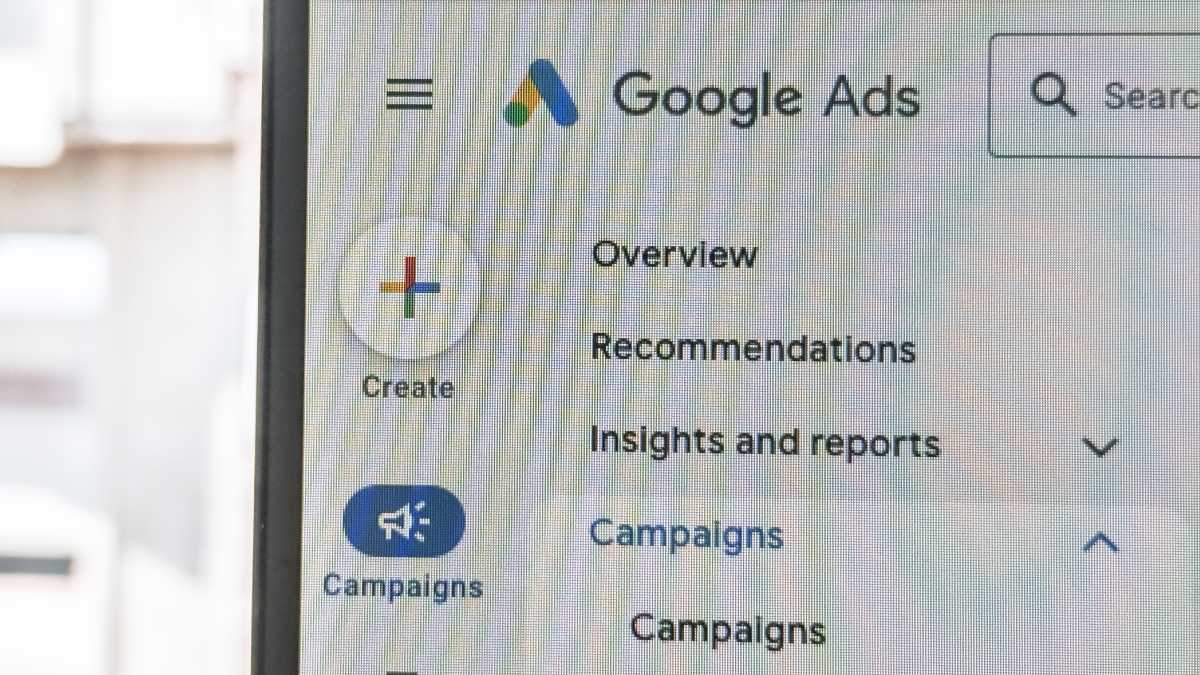
Google is developing a new way for advertisers to test budgets across multiple search campaigns with a single click.
Google is developing one-click experiments in AI Max, which will include budget testing and return on investment (ROI) targeting.
From September, advertisers will be able to test different budgets and ROI targets with a single A/B test, even across multiple different search campaigns.
These updates come just over a year after Google released the beta version of AI Max – a tool for search advertising campaigns. Previously, AI Max took a little playing around with to get the outcome with an average of ten clicks to achieve the setup.
From next month, this will be lowered to just one click.
For those who rely on specific location or brand controls, new AI Max capabilities will streamline the measurement process, allowing advertisers to run tests with those settings enabled, helping to test the AI Max impact without affecting the guardrails.
This could mean more practical testing for businesses that have tight geographical areas – particularly for strictly regulated industries such as igaming, in which marketing material must be distributed to specific regions.
Brandon Ervin, director of product management for search ads at Google said in a blog post: “Performance Planner now allows you to see how changes, like bidding or budget targets, may impact your existing campaign performance. In one click, you can apply those suggested changes directly to your campaigns.”
Multi-campaign experiments might be useful for advertisers to understand the gradual impact of changing ROI targets or increasing budgets at a wider account level.
Added functionality will also come to Performance Planner, helping advertisers predict how changes like bidding or budget targets might affect their existing campaign performance.
From there, advertisers can apply the suggested changes from Google to their campaign directly using one click, with a much shorter journey between prediction and implementation.