

The end of a 32-year partnership reveals a changing calculation for mass market brands and their sponsorship of sports events.
“Underperformed versus our expectations” is the blunt determination of the world’s biggest football tournament, offered by Ian Borden, chief financial officer of McDonald’s.
A partnership that began in World Cup USA 1994, ends in the banks of the East Rutherford (New Jersey), as McDonalds winds down its 32-year sponsorship of professional football’s marquee event.
The break-up of long-term relationships is never easy, as Borden confirmed to the media in politically sensitive terms that McDonald’s had entered a “review of its universal marketing structure”.
Speaking on the company’s second-quarter earnings call, the CFO acknowledged the campaign had “lifted business and generated enthusiasm” across its restaurants and geographies. However, the commercial outcome disappointed and the super-sized FIFA tournament held no secret sauce for growth.
Reach does not guarantee sales
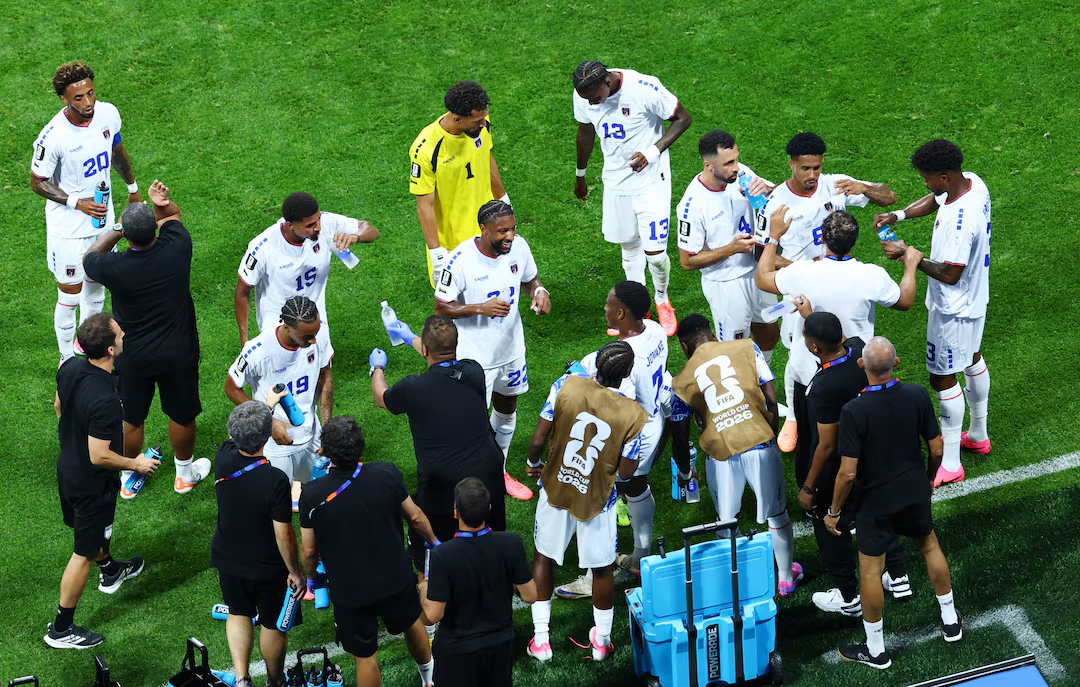
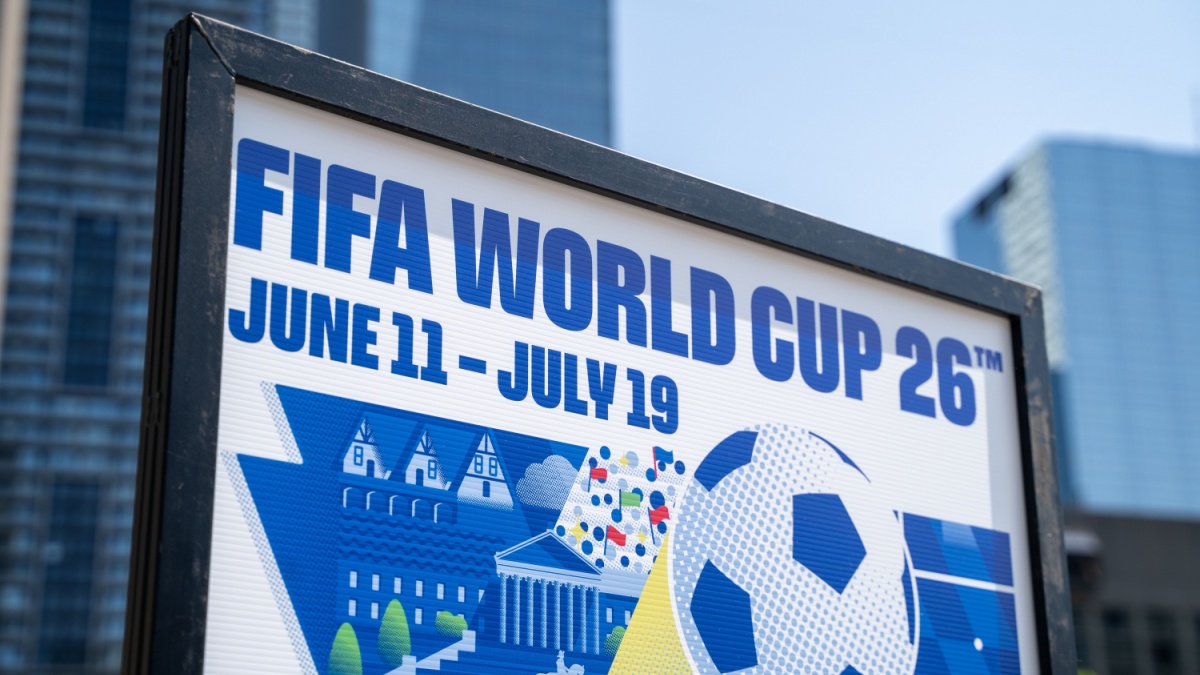
The enlarged 48-team World Cup was the centrepiece of McDonald’s marketing calendar with media planning led by Wieden+Kennedy New York. A universal campaign was set into play to cover more than 110 countries and described as the largest marketing push of a sponsored sports event by McDonald’s.
Borden did not disclose a figure on total spend attributed to World Cup 2026. But initial metrics suggest sales in North America rose by just 0.8% in the second quarter, compared to 2.5% growth in the same period a year earlier.
Those figures do not isolate the tournament’s contribution. They do, however, illustrate the problem confronting a mass market brands’ visibility: being seen everywhere is of limited comfort when customers remain cautious about spending in the current climate.
For decades, the logic of World Cup sponsorship was straightforward. A company bought access to an audience that few other events could assemble. Football supplied the drama; the sponsor attached itself to the celebration. A familiar logo became part of a shared global experience.
Yet this summer it was not the image of players celebrating next to the golden arches that garnered the McDonald’s viral moment, but a corporate video of the chief executive awkwardly eating a quarter-pounder with cheese that captured a global audience.
2026 has been a warped year for McDonald’s and its identity as the world’s favourite restaurant. The company still executes the automation of restaurant services across all geographies yet its vulnerabilities are shown in a slowdown in US sales and customer footfall.
Building a media network
Marketing is the pillar to restore balance and McDonald’s ambition is to build an advertising business. Its planned media network is intended eventually to generate $1bn in revenue. A company accustomed to paying for access to other people’s audiences now wants to earn money from access to its own.
This is also a change in how marketing value is judged. Tournament sponsorship offers reach and prestige, but its precise contribution to sales can be difficult to disentangle. An advertising network built around customer relationships offers the prospect of a closer connection between exposure and spending. Whether it delivers, remains to be demonstrated.
McDonald’s says its departure is unrelated to the recent controversy surrounding FIFA. Nor is it abandoning sport: its sponsorship of the LA 2028 Olympic Games and French Ligue 1 partnership remain part of the portfolio. The decision is better understood as a reassessment of which properties serve its commercial priorities.
FIFA, meanwhile, has little immediate reason to panic. It reported revenue exceeded $15bn following the tournament, comfortably above its earlier $11bn projection. Regardless of the size, one departing sponsor does not establish that future world cups have lost appeals.
No love lost on behalf of FIFA, as Gianni Infantino and co know that a pack of brands will be chasing the status to become the “official restaurant partner” of 2030.
But it does expose a tension. A tournament can deliver record receipts for its organiser while disappointing a partner. More matches, more markets and more attention do not guarantee proportionately more customers.
For McDonald’s, the question is whether football’s biggest occasion still provides the best return on its next marketing dollar. After 32 years, familiarity has ceased to be a sufficient answer.