

The 2026 FIFA World Cup gave advertisers a chance to shine – some hit target while others fell short of the goal.
The 2026 FIFA World Cup, like any other major sporting event, was a springboard for advertisers to promote their brands.
World Cup viewership spans outside of just typical sports fans, giving advertisers a chance to reach beyond just their expected audience. Events like this don’t just give an almost guaranteed audience for TV ads, sponsorship deals, and out-of-home (OOH) opportunities – it also provides an opportunity for brands to engage in conversation with their viewers.
While some took advantage of the vast audiences up for grabs, the most successful marketers took advantage of the shared sentiment, of the spectacle, and for the genuine love of the game shared by so many.
“The real winners of World Cup 2026 weren’t the brands with the biggest ads. They were the ones who treated the tournament as a peak inside an always-on content system, not a destination in itself,” explains Abraham Charles, chief executive and founder of sports-focused influencer marketing agency each&everyone.
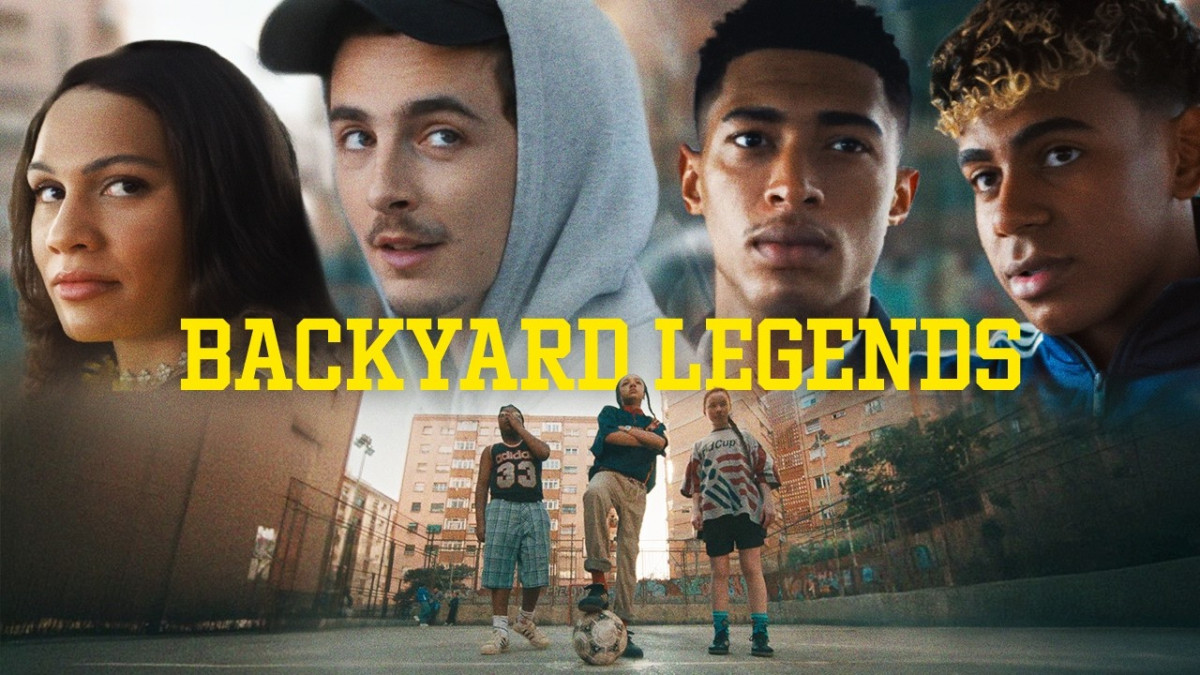
Some, like Adidas’ nostalgia filled, star studded “Backyard Legends” campaign did hit the right notes – engaging audiences with playful, sport-focused content that added to the excitement around the tournament, rather than causing any distraction. But, one stood out in particular.
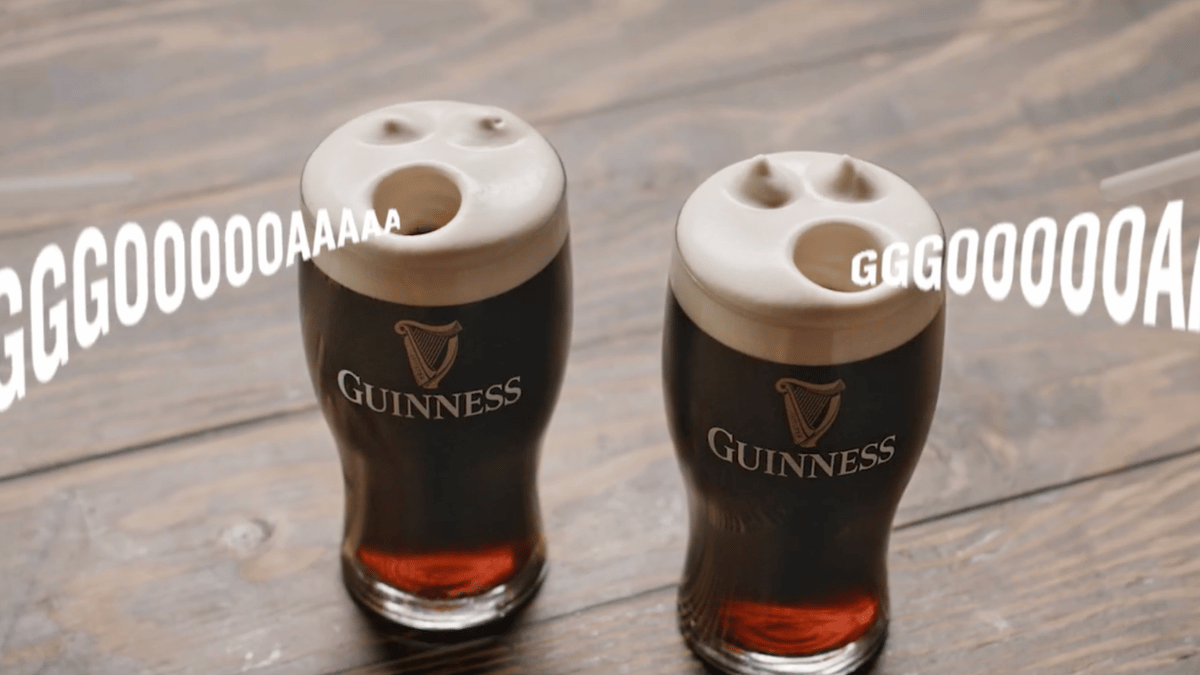
Another successful campaign was Guinness’ ‘The Worlds Cup’, which was a nod to its ad from 1990, when Ireland first made the finals. The 14-second ad was short and sweet, leaning into an over 250 years of carefully and meticulously built brand identity.
Nike claims the top spot
The top scorer this tournament? Nike.
“Nike’s ‘Rip the Script’ by Wieden & Kennedy was the sharpest piece of work in the field, but craft alone isn’t the lesson. The brands landing real returns are the ones who built genuine content infrastructure around their athletes and creators long before June,” Charles says.
The ad clearly pokes fun at the rigid, corporate, and over-polished style of advertising that has become all-too familiar in recent years – with its star-studded cast going ‘off script’ to showcase what really matters: the sport.
While the ad is packed with Hollywood names like Kim Kardashian and Channing Tatum – they’re treated as distractions and are far from the focus. The ad acts as a critique to the culture of celebrity cameos that are, let’s face it, irrelevant to sports marketing.
Why it worked
The reason this hits particularly well for viewers, is because Nike has built relationships with both the viewer and the athlete, year-round. Audiences already associate Nike with high-level athletes and with top tier tournaments, so it feels less like a sales pitch, and more like an exhibition of talent.
“The mistake most brands made was treating the World Cup as a media buy rather than a content multiplier. ” adds Charles. “If your athlete roster only appears in your marketing during a tournament, that’s not a partnership. That’s a photoshoot with a signed contract.
“The brands that got it right spent 2024 and 2025 building the creator pipelines, the production support and the platform-native content that made June work at all. When the tournament arrived, they already had a system running.”
Of course, large brands can afford to run year-long campaigns with A-list celebrities – especially sporting apparel brands, who achieved a 28.9% hook rate this World Cup, according to Billo research.
Advertisers paid the price for the engaged audience that came with it – the cost of a single video ad spiked by 17% in June.
The “battle for attention” in the World Cup goes beyond just the matches, and widespread campaigns can capture social media, creators, and sponsorships all at once, says Donatas Smailys, chief executive of Billo, but adds that small brands are being left behind by rising ad costs.
“Right now, betting everything on one ad is risky,” Smailys says. “Post a few ideas organically first and let the audience tell you what’s landing – that signal is free. Give creators a clear brief and let them run with it, then put money behind the one that’s already working. And prices drop once the final’s over, so that’s your chance to make back some of what this month cost.”
How to get it wrong
Unfortunately, there have been plenty of examples of advertisers not just missing the mark, but getting it wrong.
This World Cup brought a particular type of intrusive marketing that distracted from the event itself and antagonised fans and viewers.
Josh Harrington, head of sales for SimpleStream explains: “The problem isn’t advertising – it’s interruption. We’ve spent years asking how much advertising people will tolerate, when the better question is whether they even notice it.”
The best sports marketing, according to Harrington, is “woven into the fabric of the event. It feels natural, relevant and additive”.
Coors, Pepsi and Coca-Cola are among the brands missed the goal.
Coca-Cola’s ‘Uncanned emotions’ is a prime example of what not to do in an advertising campaign.
The ad features virtually no football aside from a voice over, and instead fiercely concentrates on the Coca-Cola branding. This is an example of an ad which distracts from the sport – it doesn’t compliment the event, nor does it highlight any of the great features. Instead, it attempts (not so subtly) to shift the focus onto itself.
“The worst [campaign] pulls people out of the moment they’re there to enjoy,” explains Harrington. “That’s the challenge for advertisers and rights holders alike. It’s less about selling more advertising and more about integrating it thoughtfully.”
Viewers can see Coca-Cola cans all year round, and the ad has no particular relevance to those watching.
Pepsi and Coors fall flat
An ad that fails to capture the moment, is Pepsi’s ‘Home of Football Banter and Rivalry’.
While it does feature some footballing skills, and even a few current and former stars, the ad has one glaring issue – its full to the brim with AI slop.
So much of the ad is (noticably) AI that it loses all character. The ad has been criticised for looking “cheap, spammy, and is frankly overwhelming”. The ad’s ‘storyline’ is virtually incomprehensible, and the players are turned into cartoonish characetures.
The value of the World Cup is in its stories, in the players, and in the art surrounding it – to try and replicate this with cheap looking imitation is an insult to the creators who carefully craft their campaigns.
Similarly, Coors’ ‘More goals. More celebrations’ ad focuses on recreating an iconic moment, but does so in a way that is completely detached from its origin. For an ad ostensibly created for a football tournament, it fails to deliver on anything that might excite viewers who are looking to enjoy a match.
The winners from this year’s tournament correctly identified the key trends, players, and feelings around the World Cup and used them to craft fun and creative campaigns which complimented the sport without taking the spotlight away. The losers tried to make a worldwide sporting event about themselves as a brand without considering the wider context.