

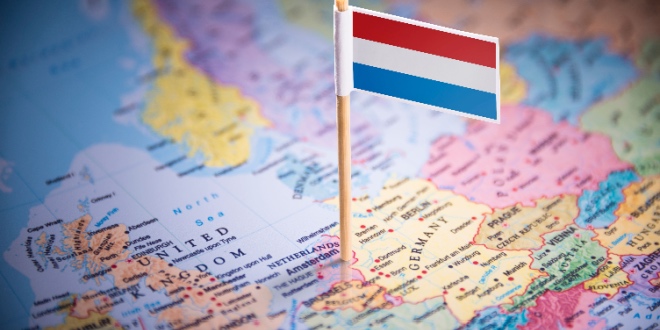
Kansspelautoriteit (KSA), the Dutch gambling authority, has set out clear guidelines on influencer marketing, which previously banned using celebrities in the Netherlands.
The ban was first introduced back in 2022 as part of the wider reforms to the Remote Gaming Act (KOA), which are still being implemented under a new Dutch government.
Referring to role models in its initial version, the reform was rolled out as an additional measure to protect vulnerable groups, including minors and young adults.
However, the KSA has now confirmed that some level of confusion still exists among operators when it comes to deciding what type of a person can be considered a role model.
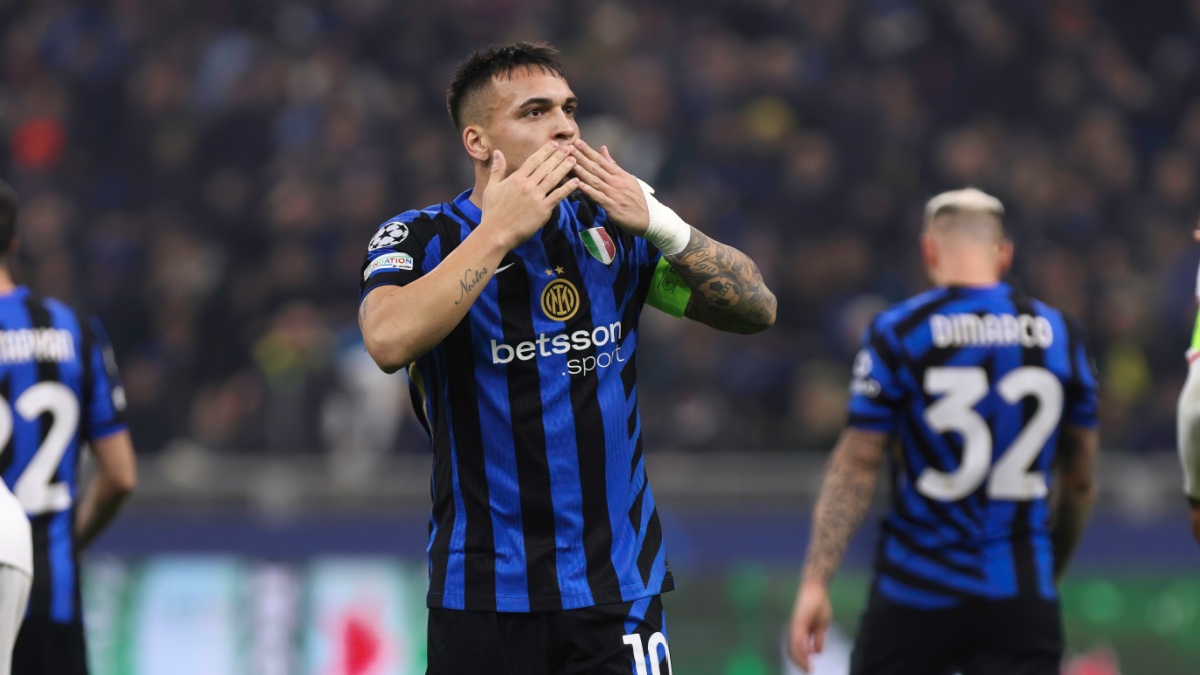
Professional sports players are usually a no-go zone given how recognisable they are, but questions remained over online personalities who arguably have an bigger following.
The regulator has moved to clarify this, officially putting influencers, streamers and other online personalities with big enough visibility to attract marketers on the list. The KSA argued that vulnerable groups are more prone to associate themselves with them.
The new guidelines were sent to all licensed operators in the Netherlands, informing them of the changes and reminding them that under no circumstances are they allowed to use such people in their marketing campaigns – urging those operators who have similar deals in place to end them as soon as possible.
Some high profile penalties for marketing breaches have been dished out already – JOI Gaming Ltd was recently forced to pay €400,000 over unlawful online product placement.
Another notable case, although not resulting in a penalty, happened in June last year when the KSA caught BetMGM featuring the then 17-year-old Lamine Yamal in one of its ads.
With a new Dutch government now at the helm after a short-lived political turmoil, regulations will most certainly tighten even more going forward.
This story was first published on Affiliate Leaders’ sister title, SBC News.