


With TAG and ANA research finding AI-generated, spammy content outperforming cleaning inventory, social media platforms like Snapchat clamping down on what they recommend users.
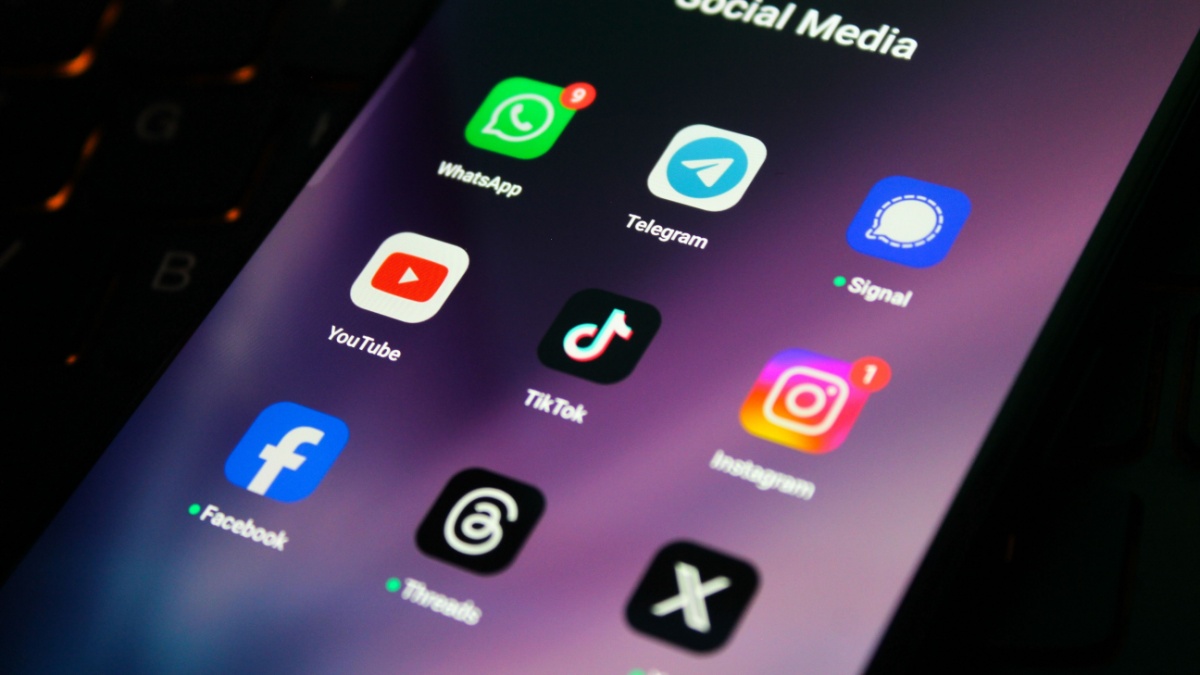
Snapchat has pushed back against fully AI-generated content by making it fully ineligible for recommendation on its Spotlight section.
The Spotlight space in the social media platform is a tab dedicated to showcase short-form, vertical video entertainment from a range of global creator communities. Users can watch and interact with public Snaps, or submit creative videos directly through the Spotlight section.
Snapchat said on its website: “As low-quality, repetitive, AI-generated content becomes increasingly common across the internet, we want Spotlight to remain a place where people can discover authentic creativity from real people, because we believe there’s enduring value in rewarding original perspectives, personal storytelling, and the moments that people choose to create and share themselves.”
Research from the Trustworthy Accountability Group (TAG/TAG TrustNet), in partnership with the Association of National Advertisers (ANA), and Fiducia, found that ‘AI slop’ accounted for 1.3% to 2.4% of programmatic media adspend across the open web in Q1 2026.
In fact, AI slop – defined by low quality, spammy content created by generative-AI – outperformed clean inventory on traditional metrics by more than 70% of the time.
These figures could explain why Snapchat is prioritising organic videos and human creators over generative AI, especially as the number of unique Spotlight contributors around the globe are up 120% year-on-year.
This is an interesting development considering Snapchat was one of the leading adopters of AI – especially through its ‘filters’, which could add to and alter the appearance of images and videos.
Snapchat still offers a number of free AI filters and content that has been enhanced or edited using its AI creative tools will continue to be eligible for recommendation and importantly include transparency indicators.
This move only applies to content wholly generated using AI.
AI slop accounts for majority of MFA site content
TAG and ANA’s analysis found that social media platforms are the primary environment hosting AI slop. While platforms like Snap are putting in place policies to identify such content, an estimated 25% to 40% of social media video inventory is misaligned.
Based on conventional metrics, AI slop was found to have an invalid traffic rate of just 0.05% compared to 0.32% for clean supply and a higher viewability score (77.2% versus 74.9%), as a result, its true cost-per-thousand impressions was more expensive at $7.08, compared to $6.15 for clean inventory.
According to the report, spammy AI content is largely considered long-tailed, with roughly one in every 27 impressions (3.7%) on unknown domains categorised as slop.
Many of these videos are mass produced, and spread across near identical clone networks and domain templates. They have a large crossover with made-for-advertising (MFA) sites – low-quality websites created solely to generate ad revenue through traffic – with 88% of Al slip categorised as such.
The other 12% falls outside existing frameworks, escapes current tools, and costs more per verified impression than clean supply.
Mike Zaneis, chief executive of TAG said: “Definitions identify challenges, and data drives improvement. By defining and quantifying AI slop for the first time, this analysis gives ad buyers a vital data framework to evaluate and improve their operations and results.
“TAG and its members have successfully used this same approach to address other endemic supply chain challenges like fraud and MFA, and this analysis serves as a vital first step in tackling AI Slop.”
Advertisers are advised to review their invalid traffic and viewability metrics alongside their verification partners to determine higher quality AI-generated content from AI slop.
There are predictable patterns too. Common themes include fabricated viral stories, engagement bait, and ‘revenge’ content – primarily in the parenting, travel, recipes, hairstyles, personal finance, and how-to spaces.