

The advertising watchdog has banned five of Midnite’s ads across TV, VOD and radio following complaints.
The Advertising Standards Authority (ASA) has banned five ads from betting company Midnite following an investigation.
The ASA investigated two TV ads, two video-on-demand (VOD), as well as a radio ad from Midnite and found that all broke rules by encouraging gambling behaviour, which could lead to emotional, financial, or social harm. At is core, the ASA found the ads suggested that gambling could act as an escape from personal problems.
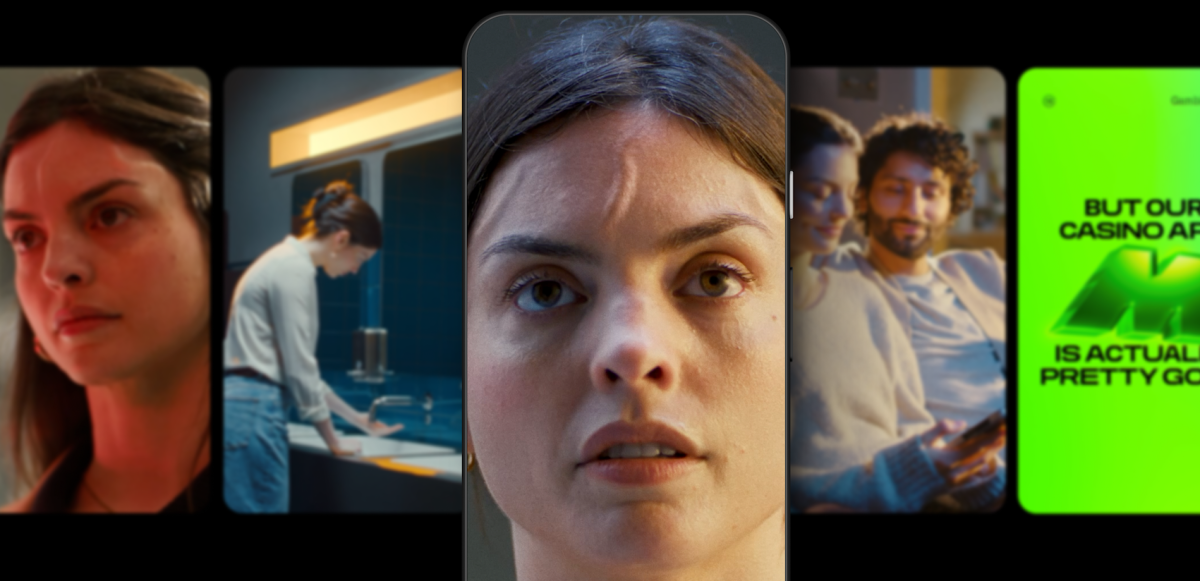
The ads were part of the ‘built different’ campaigns. The first TV and VOD ad (both had the same content) featured a man encountering a range of frictions such as supermarket scanner not working, hotel lighting not operating as it should, being unable to get a snack from a vending machine. Throughout the scenes, as the frustration grew, a sci-file like vein pulsating in their forehead was also shown.
From there, a message is displayed: “We can’t fix the rest, but our betting app is pretty good.” The ad ended with text on screen that said “Midnite, built different”, which was also sung.
The second TV and VOD ad had a similar concept, but this time with a woman, who experienced various inconveniences including a key cards or gym fobs not working. The ad ended with the same message as the first one.
The radio ad included a voice-over referring to a number of technology issues like a QR code not working, or a Smart TV now working, featuring the same tagline: “We can’t fix the rest but our casino app is actually pretty good”.
The ASA received 125 complaints about the ads claiming they portrayed and encouraged gambling behaviour that could lead to financial, social or emotional harm and suggested it could also be used as an escape from personal problems.
Midnite claims ads were about app quality
Midnite, which is owned by Dribble Media, responded to the banned ads, arguing the experience of everyday technology not working properly were intended to contrast minor frustrations with its app, which they said works well and is reliable.
The creative concept, the firm claimed focused on app quality and product functionality, and doesn’t present gambling as a response to frustration or as an escape from issues. Scenarios were intended to represent separate everyday occasions, not a cumulative sequence of events occurring on one day.
It added the pulsing vein shown on the characters’ foreheads was intended to be a comedic element representing “mild frustration rather than serious distress. The company said it’s tag line – “we can’t fix the rest” – made it clear that Midnite was not presented as the solution to the frustrations depicted.
Clearcast, part of the ASA and the body which checks ads before they are aired on TV, said the ads were about everyday frustrations rather than serious personal problems and the characters were not considered to be using Midnite’s app to cope with that. The ads also. included alternative gambling apps shown to be failing and it had received substantiation during the clearance process to support claims about Midnite’s app being fast and reliable.
The ASA acknowledged the frustrations shown were just minor technological inconveniences. However, the repeated references to things not working created a cumulative senes of stress.
While Midnite believed the ads focused on the users experience and functionality of its app, the watchdog said “consumers were likely to understand those claims in context not solely as statements about product quality, but also as implying that turning to the app offered some kind of relief from the frustrations that were the focus of the ads”.
In addition, the reference to Midnite could not ‘fix’ the other situations the ASA believed was juxtaposed to the final reference regarding the app and suggested “gambling could alleviate stressful situations or frustration and could therefore function as a coping mechanism”.
As a result, the ASA upheld the complaints and said the ads were “socially irresponsible” as it could lead to financial, social or emotional harm.