

The video sharing platform is also updating its policies disclosing branded content.
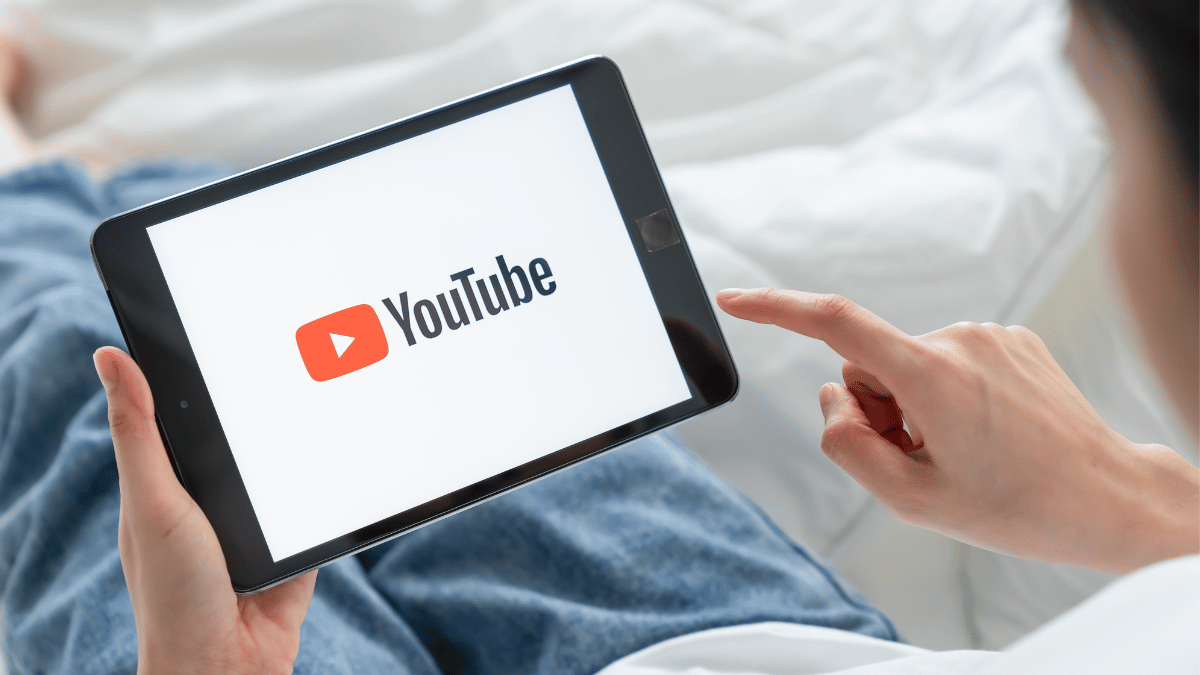
YouTube has rolled out a series of updates to its creator tools, including testing local retailers for tagged affiliate products and an overhaul of its branded content disclosure system.
The Google-owned platform announced the retailer test in a blog post, stating the alternative options for tagged affiliate products would ensure local accessible listings are displayed.
YouTube wrote: “We’re running a small affiliate shopping experiment to show the exact same creator-tagged affiliate product, but sourced from a different eligible local retailer.
“This test helps us measure if we can improve shopping performance by auto-optimising which local merchants to serve for a product.”
The company added this will not impact product tags on videos where creators have enabled the ‘paid product placement’ setting.
This follows a series of updates from YouTube of its affiliate programme in recent weeks, which include allowing creators to directly tag Amazon products in their content.
Last month, the social media platform also announced a major revamp of how it measures affiliate traffic and defines clicks and impressions as well as views for videos and live streams.
This latest test to YouTube’s affiliate programme could see creators’ commissions increase as by switching to local providers, it could shorten delivery times and drive up sales. If successful, this could become a viable strategy for affiliate listings.
On the compliance side, YouTube is making changes to how users manage branded content on its platform to ensure creators align with local laws.
As part of those changes it is retiring the ‘includes paid promotion’ tag to ‘branded content’, which the company said is a “fresher more modern version” of industry terminology.
YouTube said in a separate blog post: “As this rolls out, viewers will see a new updated branded content disclosure label that gives them the context they need at a glance.”
It is also giving users more granular age and geographic controls of who sees their branded content to help manage legal requirements across different markets.
In addition, the company is also rolling out an automated branded content detection system to “help enforce our mandatory disclosure policies”.
YouTube said: “If our systems detect that your newly uploaded video includes branded content that you did not disclose, we may automatically apply the disclosure label on your behalf to ensure policy compliance and viewer transparency.
“While we want to help you identify undeclared branded content, you are ultimately responsible for ensuring your disclosures comply with all applicable legal and regulatory requirements.”