

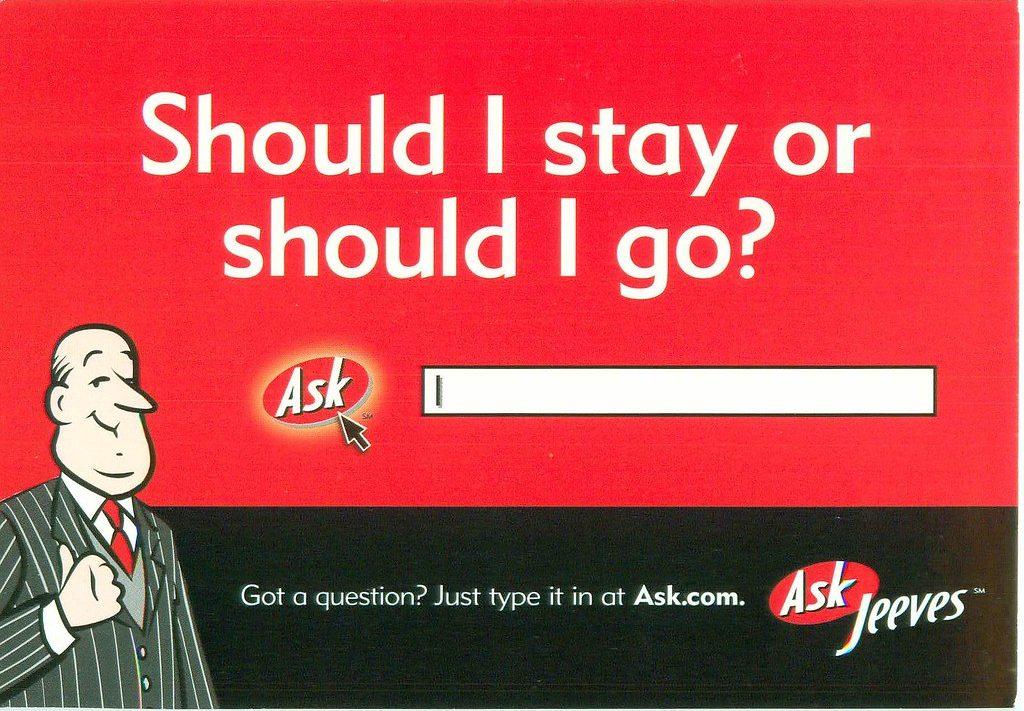
The original search engine, once known as Ask Jeeves, agent has officially retired.
The 1990’s search engine icon, Ask.com (of former Ask Jeeves fame), has announced it will abdicate from the search space.
The beloved valet launched in 1996 and was acquired in 2005 by InterActiveCorp, who quickly dropped the ‘Jeeves’ to modernise the answer engine to Ask[.]com.
“As InterActivCorp continues to sharpen its focus, we have made the decision to discontinue our search business, which includes Ask.com,” said the farewell message posted to the Ask.com site.
“We are deeply grateful to the brilliant engineers, designers, and teams who built and supported Ask over the decades. And to you—the millions of users who turned to us for answers in a rapidly changing world—thank you for your endless curiosity, your loyalty, and your trust.”
“Jeeves’ spirit endures.”
Leaders take
Although Ask[.]com was thoroughly overpowered by tech giant Google, which is facing monopoly claims in its search business, the concept behind the Ask Jeeves platform feels eerily familiar in a post-LLM world.
The specific image of the internet servant might feel like an antiquated relic from an era defined by rigid social class structure, but it draws parallels to the current rise of agentic AI, in which AI agents and chatbots answer questions, complete tasks, and even give advice.
Virtual internet assistants have persisted as a popular concept, with tools like Microsoft’s Clippy (official name Clippit) serving as an infamously annoying intrusion into your desktop activities. Then came Apple’s Siri, Amazon’s Alexa, and now agentic AI with models like ChatGPT, Claude, and Gemini all filling the question and answer space.
There’s an argument to be made that Ask Jeeves was a groundbreaking step in internet navigation, bringing a more personalised experience to browsing – especially as it introduced natural language processing into popularity.
The success of LLMs outlines the importance of informal, conversational language for users – and certainly many of us would appreciate a search engine which doesn’t mine your data to the extreme level that is now a norm.
The nostalgic pull of the Ask Jeeves image perhaps invites a level of lenience for the well-dressed search mogul that modern chatbots don’t benefit from, as Jeeves will most likely be awarded a happy retirement with positive public sentiment as we look back fondly on our time with one of the first internet icons.